New Growth | 1907–Present Day
Resilience and Renewal
In this section, you will explore how tribal nations and citizens continue to care for our cultures and communities. As First Americans entered the 20th century, we began to put down roots in Oklahoma. Despite more than 200 years of federal assaults and Assimilation policies, we remain resilient and continue our cultural traditions.
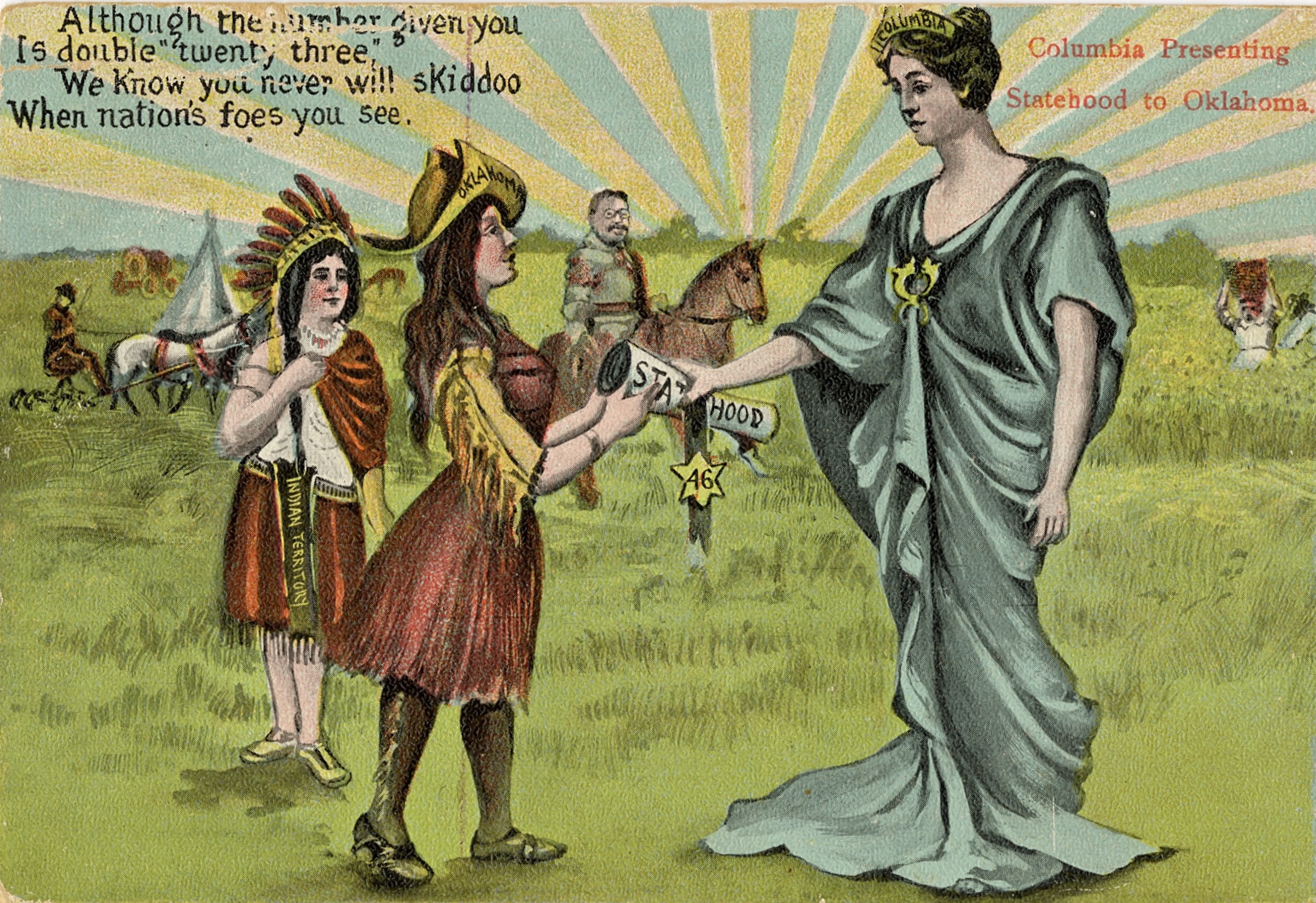
Oklahoma became a state in 1907. A generation of First Americans learned to adapt to the modernized, Western culture, with its new technology and formal education. Assimilation meant that our cultural traditions would adapt as well.
As the century progressed, we began to reclaim our sovereignty and right to self-governance. We pushed back against federal policies that harmed our people. As our community members gained pride in their cultural identities, self-expression bloomed.
Our tribes, once at risk for disappearing from the cultural landscape, are growing strong in the 21st century.
How have tribes protected their sovereignty?
Intertribal Alliances
In the 20th century, Frist Americans were still under attack. US policy sought to terminate tribes and force us to assimilate. Tribal nations used historical practices for diplomacy to establish mutually supporting relationships.
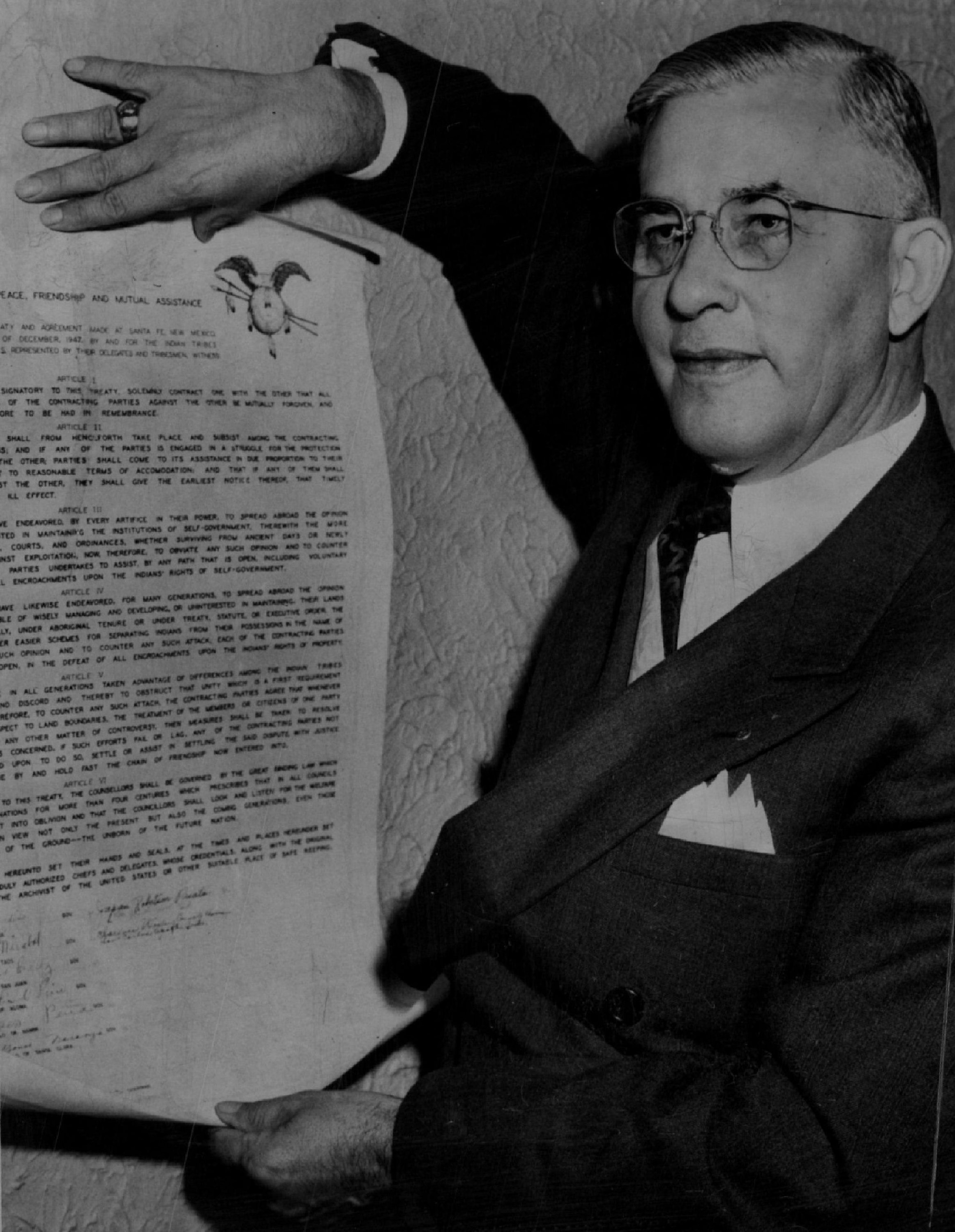
We formed advocacy groups, organized nationally to protect our sovereignty and tribal rights. The Society of American Indians formed in 1911 was the first American Indian rights organization. The National Congress of American Indians was formed in 1944 and continues serving tribal nations across the US.
Locally, tribes also formed intertribal councils. As political forces, they address tribes’ collective issues and concerns at the state and federal levels. The councils enable each tribe to retain its own sovereignty and political identity while strengthening their political voices.
Through their cooperation, Native leaders and advocates strengthen our position at state and national levels. Many First American national leaders are from Oklahoma tribes.
Affiliated Nationhood
Some nations’ political alliances stem from their historical relationships. Recognizing their common issues and concerns they formalized their alliance into a singular political nation. The 🔍Wichita and Affiliated Tribes represent the collective interests of the Wichita, Waco, Keechi, and Tawakoni peoples. The 🔍Cheyenne and Arapaho Tribes function as one nation, while maintaining independent cultural ceremonies and practices.
Other tribes split off from large political bodies. The 🔍Alabama Quassarte, 🔍Thlopthlocco, and 🔍Kialegee tribal towns were once part of the 🔍Muscogee Creek Confederacy in the Southeast. Today they have reclaimed their unique political identities.
National Congress of American Indians
Now I know that you can’t put the same blanket over everybody … at the same time, but if you use some judgment you can spread that blanket out so that the one that is a little colder can get warm from it.
— Ben Wright (Choctaw), founding member of the National Congress of American Indians, 1944
In 1944, 80 delegates from nearly 50 tribal nations gathered in Denver to form the National Congress of American Indians (NCAI). This national alliance arose to respond to US policies designed to terminate tribes, assimilate us, and attack our sovereignty.
Today, NCAI is Indian Country’s most effective voice defending tribal sovereignty in modern US-tribal relations. Most NCAI presidents and vice-presidents are, or have been, citizens of our 39 tribes in Oklahoma.
Nation to Nation
Our historic practices of forming alliances carried our nations through dark days. Our sovereignty has not always been respected by the United States. Nevertheless, we remain as sovereign nations.
We have established government-to-government relationships with federal and state entities. We negotiate with federal agencies for the management of our natural resources through land leases and mineral and water rights. Our tribes enter into agreements and compacts with state governments for gaming enterprises, tobacco sales, and licenses for automobiles and hunting.
Tribes have adapted to serve our First American people. Tribes seek to serve and govern their communities on their own terms. Many continue to rely on the priorities that our ancestors followed.
How does culture sustain tribal members today?
During the 20th century, First Americans rallied from challenging times, drawing upon our cultural strengths for survival. We recognized that our fate rests in our own hands. Like a phoenix from the ashes, our people began to rebuild our communities. Through the collective efforts of individuals, tribal communities grew stronger, acting on our sovereignty.
Birth of the Intertribal Powwow
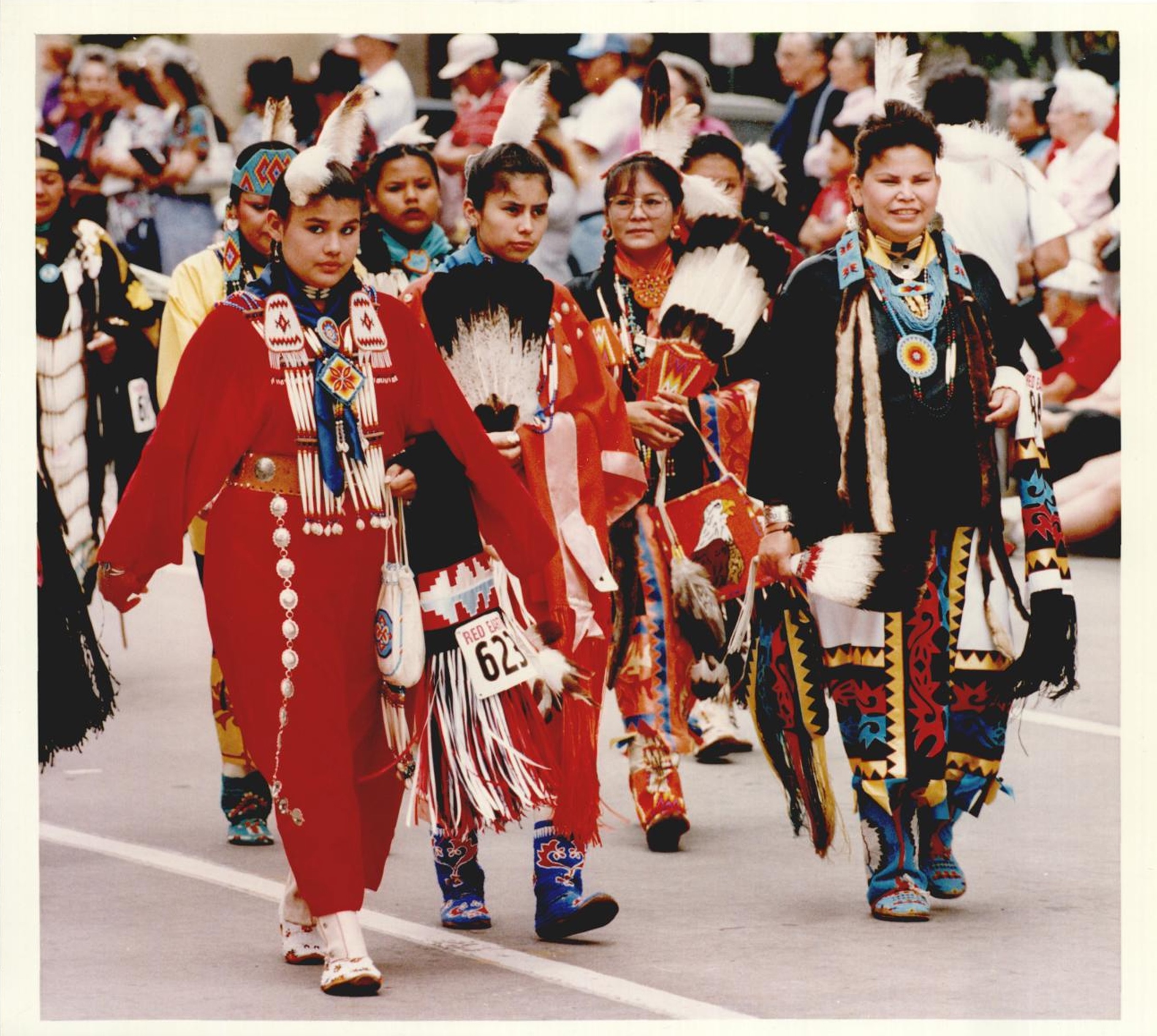
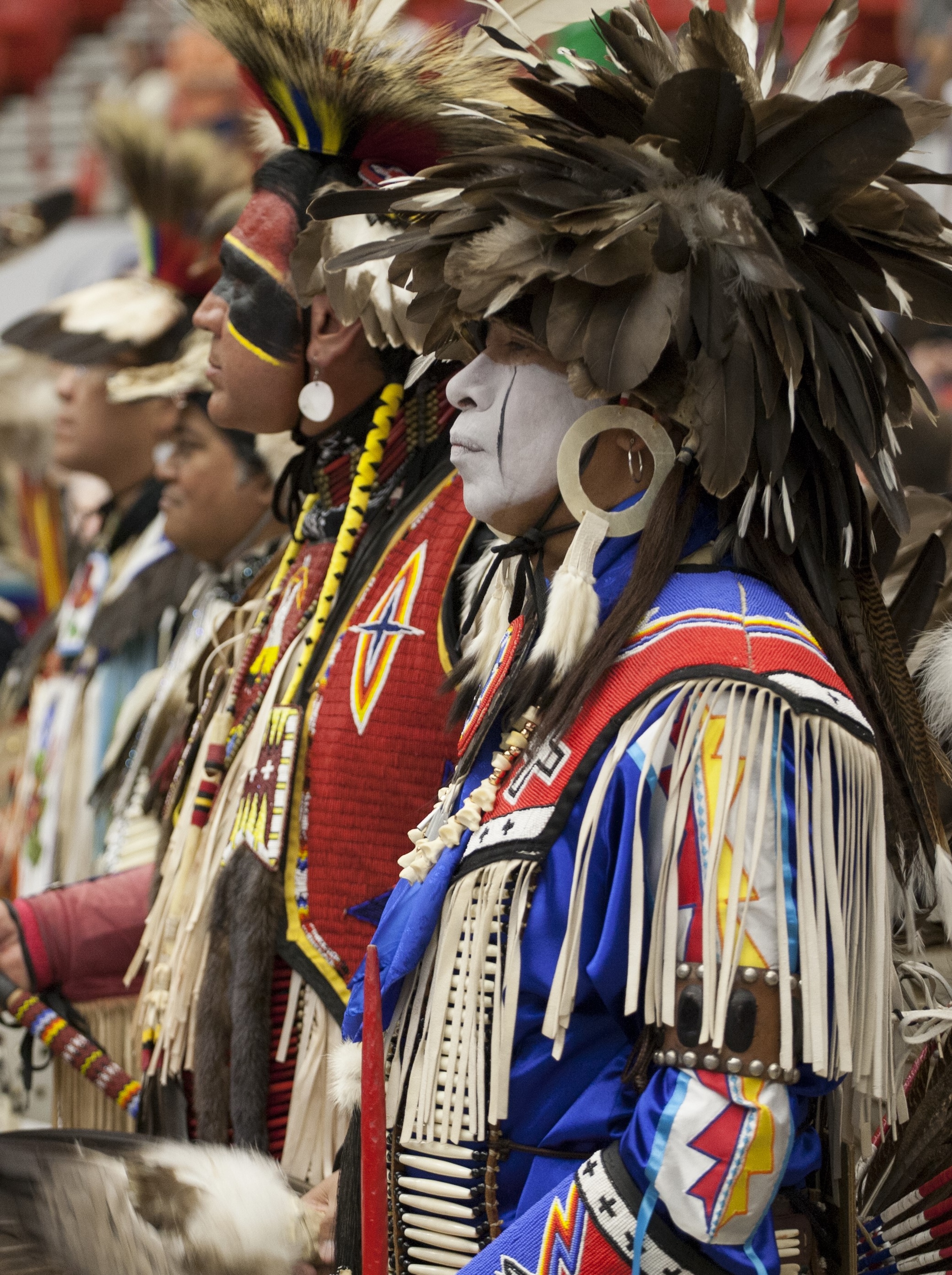
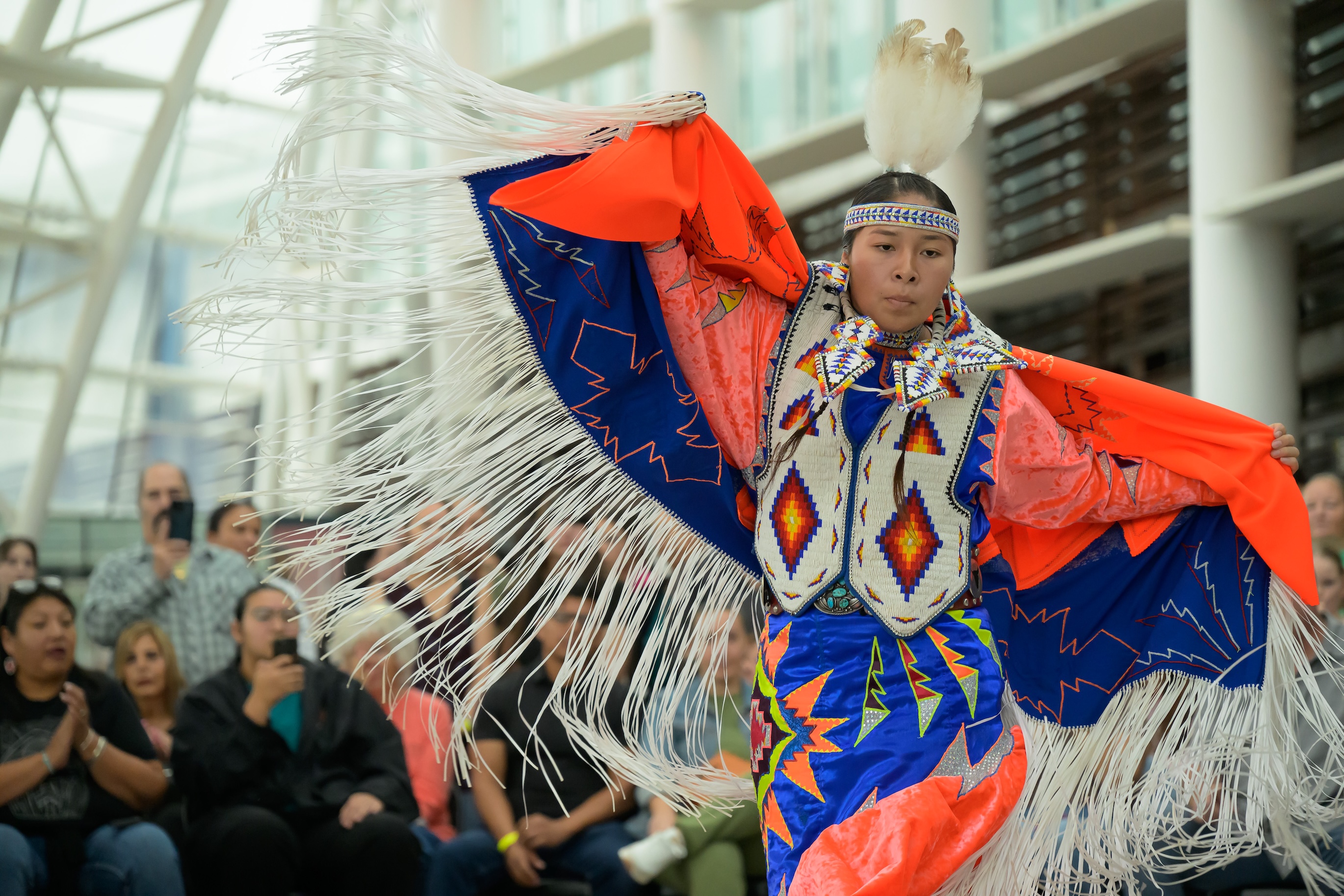
The intertribal powwow is one of the most awe-inspiring displays of Native culture. It is uniquely a product of Oklahoma’s history. When the Ponca arrived in Indian Territory, they were surrounded by other tribes with whom they had no history. They invited their neighbors to join them for a cultural exchange. Held in 1879, this was the first intertribal powwow.
A social dance, powwow borrows from different Native practices, such as the central placement of the drum and collective movement of the dancers. Dancers customarily wear regalia that is specific to their cultural community and family. The powwow combines these cultural elements with some borrowed from the old Wild West shows, with roles like Arena Director and Master of Ceremonies.
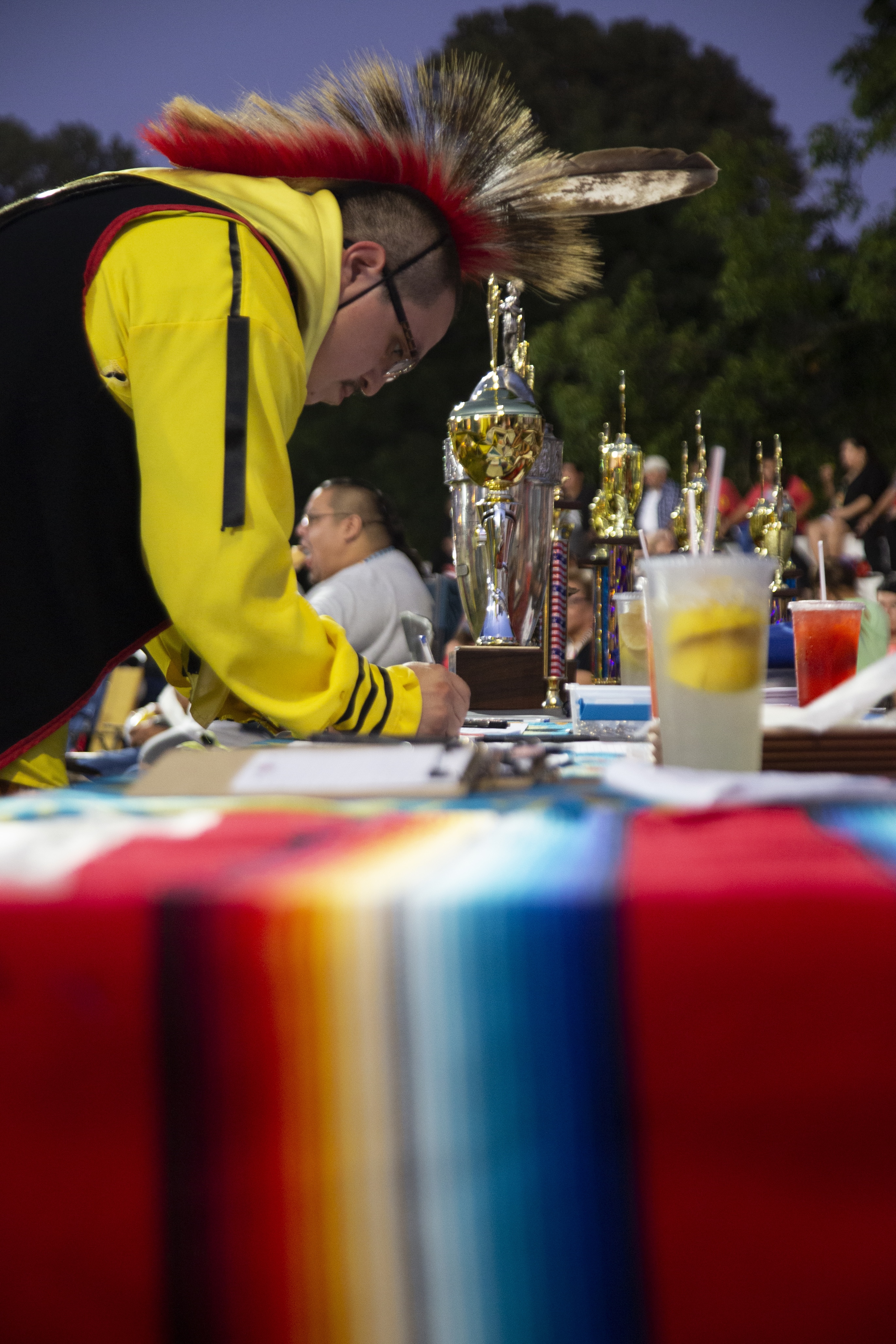
Competitive powwow dancing emerged in Oklahoma in the 1910s. Dance competition categories are divided by gender, age, and dance style. New protocols were established to guide participants’ behavior, showing respect for the songs, dancers, and dances. These cross-cultural gatherings have become a way for tribes to celebrate our heritage collectively.
Cultural Exchange
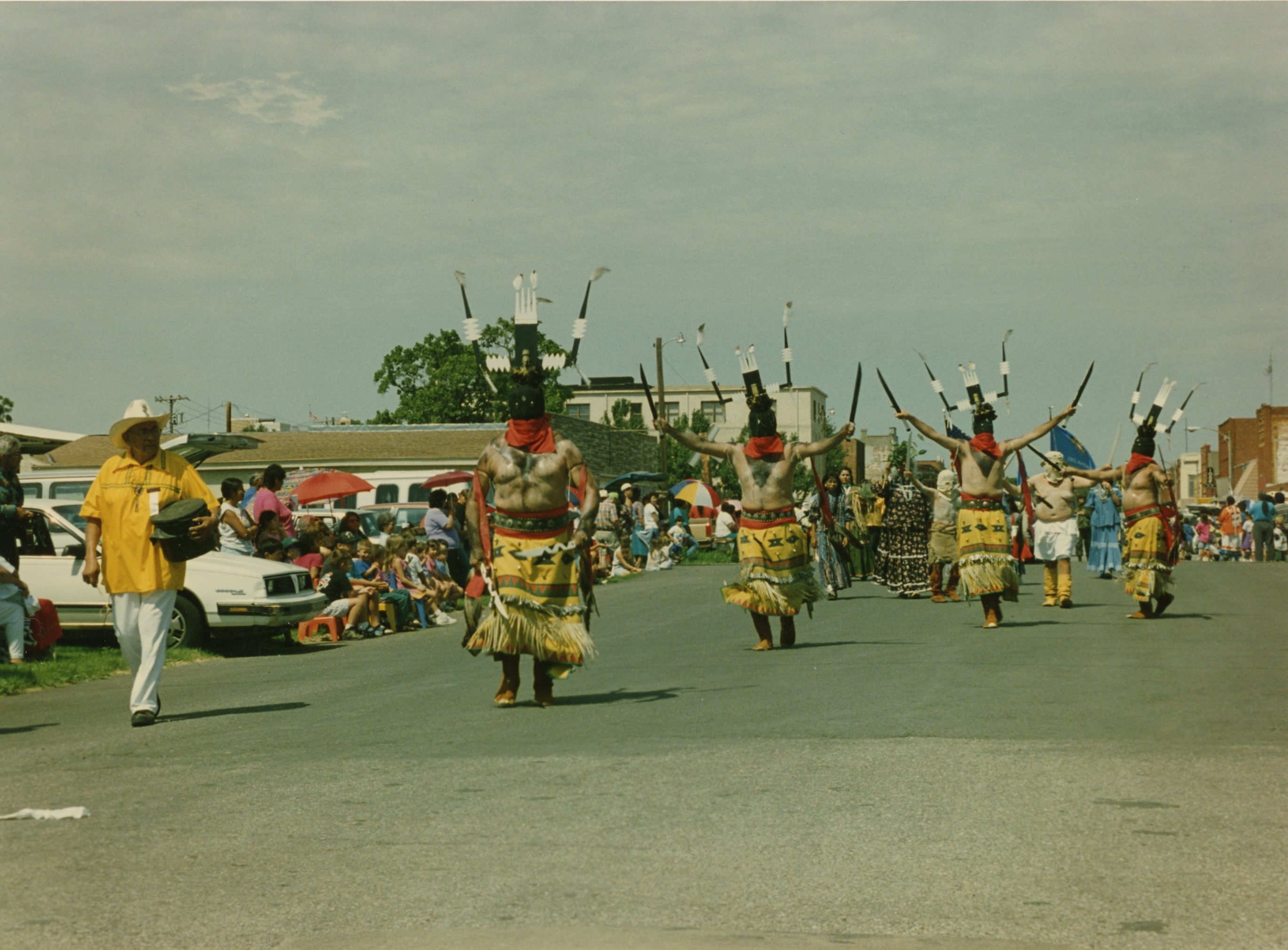
The American Indian Exposition is one of the oldest and largest intertribal gatherings in the United States. The annual event started in 1934 and was launched by many of our Oklahoma tribes. The 🔍Apache, 🔍Arapaho, 🔍Caddo, 🔍Cheyenne, 🔍Comanche, 🔍Delaware, 🔍Fort Sill Apache, 🔍Iowa, 🔍Kiowa, 🔍Osage, 🔍Otoe-Missouria, 🔍Pawnee, 🔍Ponca, 🔍Sac & Fox, and 🔍Wichita & Affiliated Tribes sponsored it the very first year.
Tribes embrace the Indian Expo, held in late summer, as an opportunity for fellowship and intertribal cultural exchange. The gathering also gives us the chance to teach non-Natives about our cultural lifeways.
Preserving Our Languages
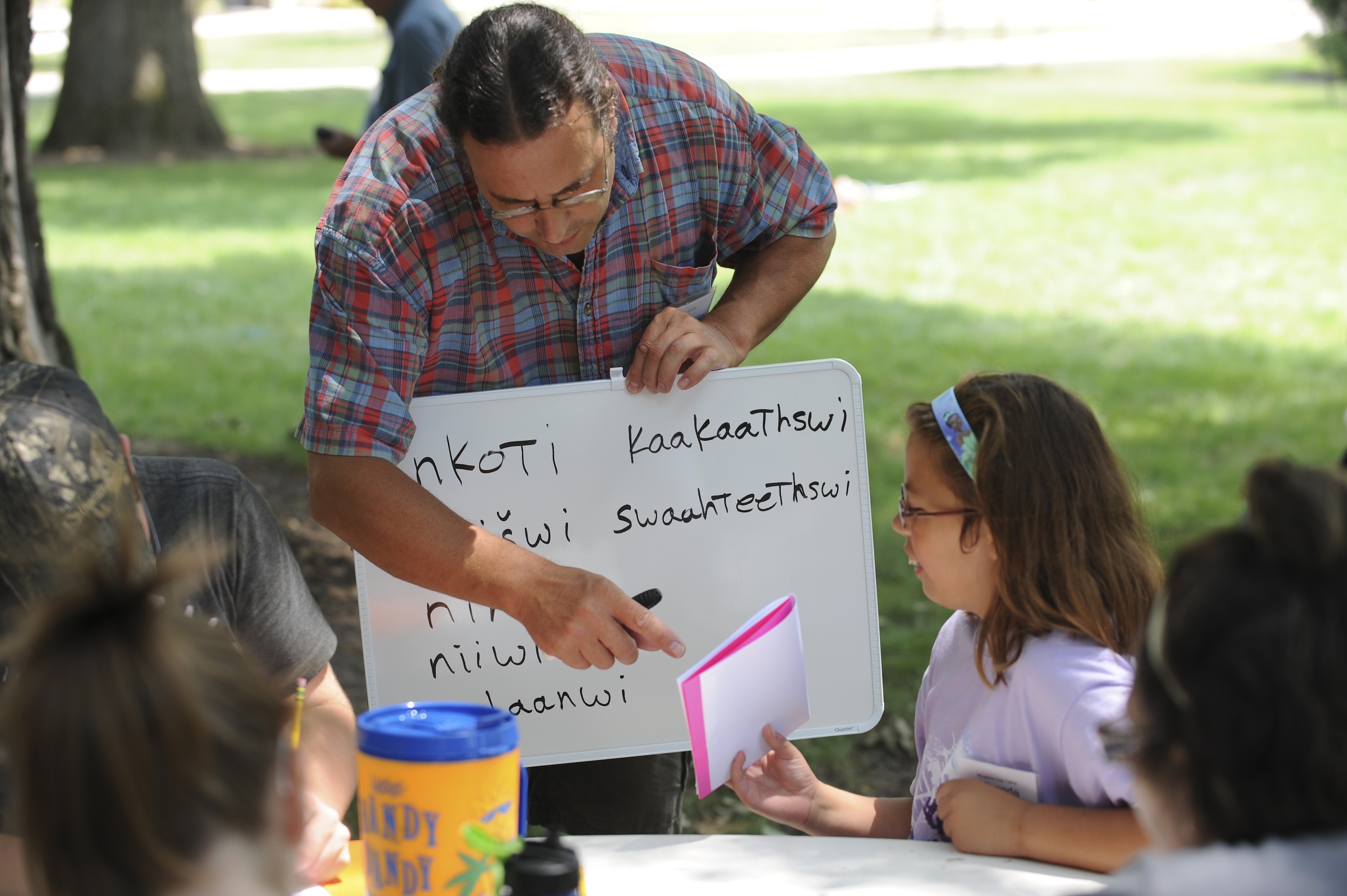
Our languages are essential. Without our languages, we cannot conduct our ceremonies, offer our prayers, or sing our songs.
For years, US policies punished Native language speakers. Boarding schools forced Native children to speak only English. Some of our languages are now extinct; others are at risk.
Today, many tribes actively preserve and revitalize their languages. They approach language renewal in different ways. The 🔍Miami Tribe opened the Myaamia Center to coordinate their use of technology and cultural programming. The 🔍Chickasaw Nation has developed language apps, a master-apprentice program, and Rosetta Stone Chickasaw, a free online language learning system.
Cultural Identity Through Self-Expression
First American cultures were cared for by communities despite all the oppressive forces to eradicate them. As tribal citizens entered different professional fields, they carried their cultures into these spaces. By the second half of the 20th century, Oklahoma’s Native authors and artists sparked a renaissance that reached broad audiences.
Our collective voices now speak globally, often on behalf of Indigenous peoples around the world. We recognize the importance of perpetuating and promoting our tribal cultures. With the growth of markets and festivals that display Native creativity, more and more people have come to appreciate our cultures.
Today, we celebrate our artists and cultural heritage. A new generation of creative Natives carry our cultural and artistic legacies forward.
Authors
The reputation of Oklahoma Native authors was firmly established with Lynn Riggs’s (Cherokee) script for the 1931 play Green Grow the Lilacs, later adapted for Broadway as the musical Oklahoma. With the 1968 publication of N. Scott Momaday’s (Kiowa) House Made of Dawn, a Native literary renaissance was born.
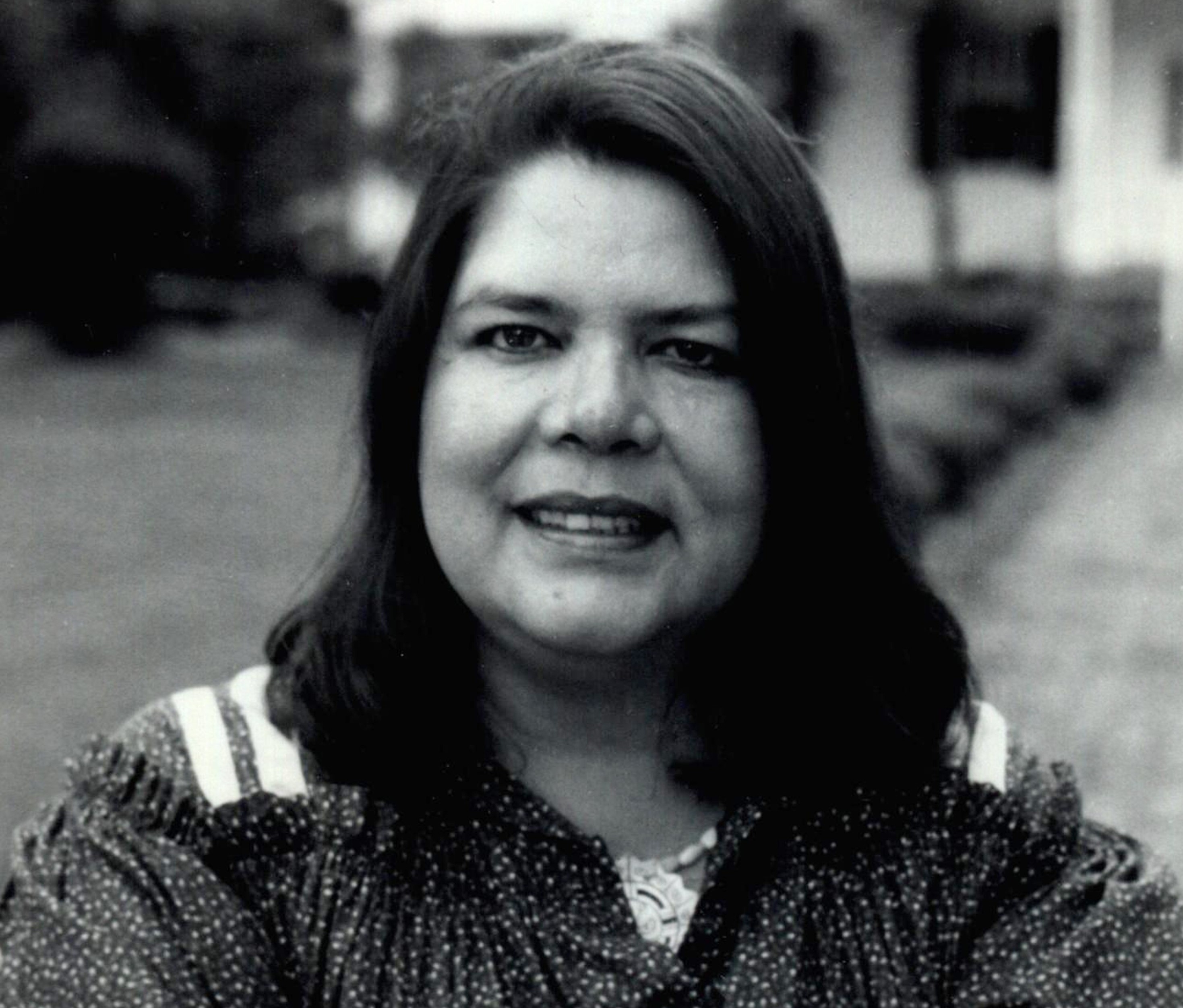
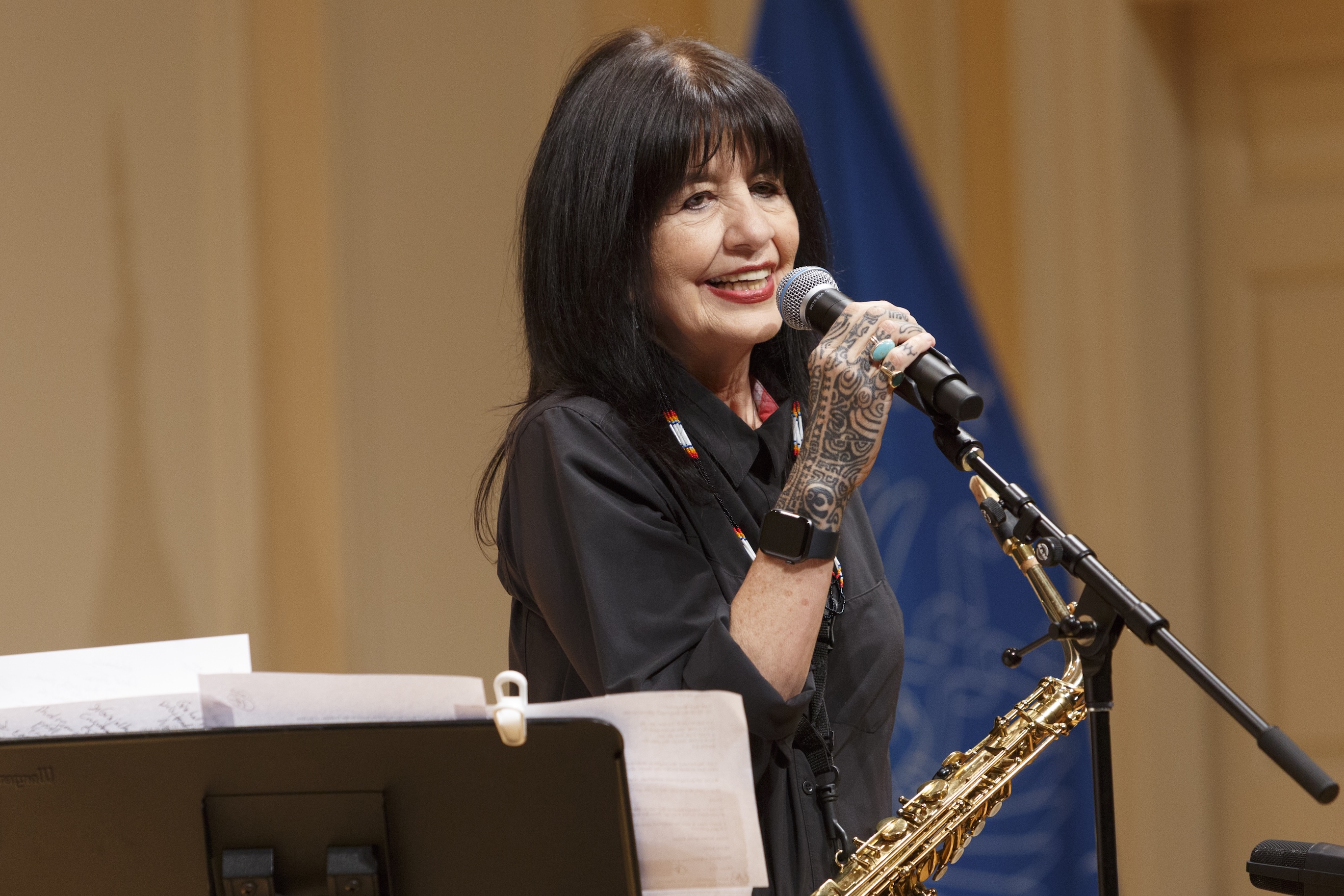
Joy Harjo (Muscogee), named U.S. Poet Laureate in 2019, was the first Native poet to hold that high post. Linda Hogan (Chickasaw), LeAnne Howe (Choctaw/Chickasaw), and a host of modern authors give poetic voice to the traumas, the triumphs, and the joys shared in our communities.
Musicians
Whether it’s the sound of a rattle or drum, music remains the heartbeat of our cultures. With timeless lyrics and powerful chords, our musicians carry us forward.
Some First Americans continue to write customary cultural music, while others use new musical forms. Composer Louis Ballard (Quapaw/Cherokee) wrote classical works that take our stories to new audiences. Tim Long (Muscogee/Choctaw) and Jerod Tate (Chickasaw) are nationally recognized composers who continue that tradition. Opera singers like Barbara McAlister (Cherokee) perform internationally. Guitarist Jesse Ed Davis III (Comanche/Kiowa) played alongside George Harrison and Eric Clapton.
Promoting Native Art
By the mid-20th century, the arts of Indian Country had been transformed from cultural curios to collectible fine art. Collectors and others who appreciate Native art recognize Oklahoma as a source of emerging and established artists’ work.
International recognition for Stephen Mopope and Spencer Asah (both Kiowa) created opportunities for other Native artists. Acclaimed mid-century artists like Dick West (Cheyenne), Joan Hill (Muscogee), and Cecil Dick (Cherokee) opened doors for generations of Native artists. Art markets emerged, fostering a vibrant Native arts community. The legacies of Allan Houser (Fort Sill Apache) and T.C. Cannon (Kiowa/Caddo) expanded definitions for American art.
Today, Native artists from Oklahoma participate in all the major Indian art markets throughout the United States.
What is the relationship between resistance and resilience?
Native people experienced discrimination as a community and as individuals but also resisted and advocated for change politically and artistically.
The 1956 Indian Relocation Act resulted in many Native people leaving rural areas and reservations for urban areas. When First Americans tried to find jobs and housing in cities, they faced bias and prejudice.
In 1968, the Indian Civil Rights Act stated that tribal governments had governing powers over their tribal members. In 1977, the US Commission on Civil Rights reported that Indian legal rights were not being recognized. In the late 1970s, tribes started programs to provide education, housing, and healthcare for all members, including urban Indians.
The whole 1960s movement also helped, as did AIM, who mouthed the word ‘sovereignty’ first and scared the heck out of everybody else…. A lot of people, even those who talk about it, don’t quite understand what sovereignty means. To me, it means the right to be self-governing over our own people and our own lands, and that we are a system of governments like the federal system.
— LaDonna Harris (Comanche)
Native Activism & Advocacy
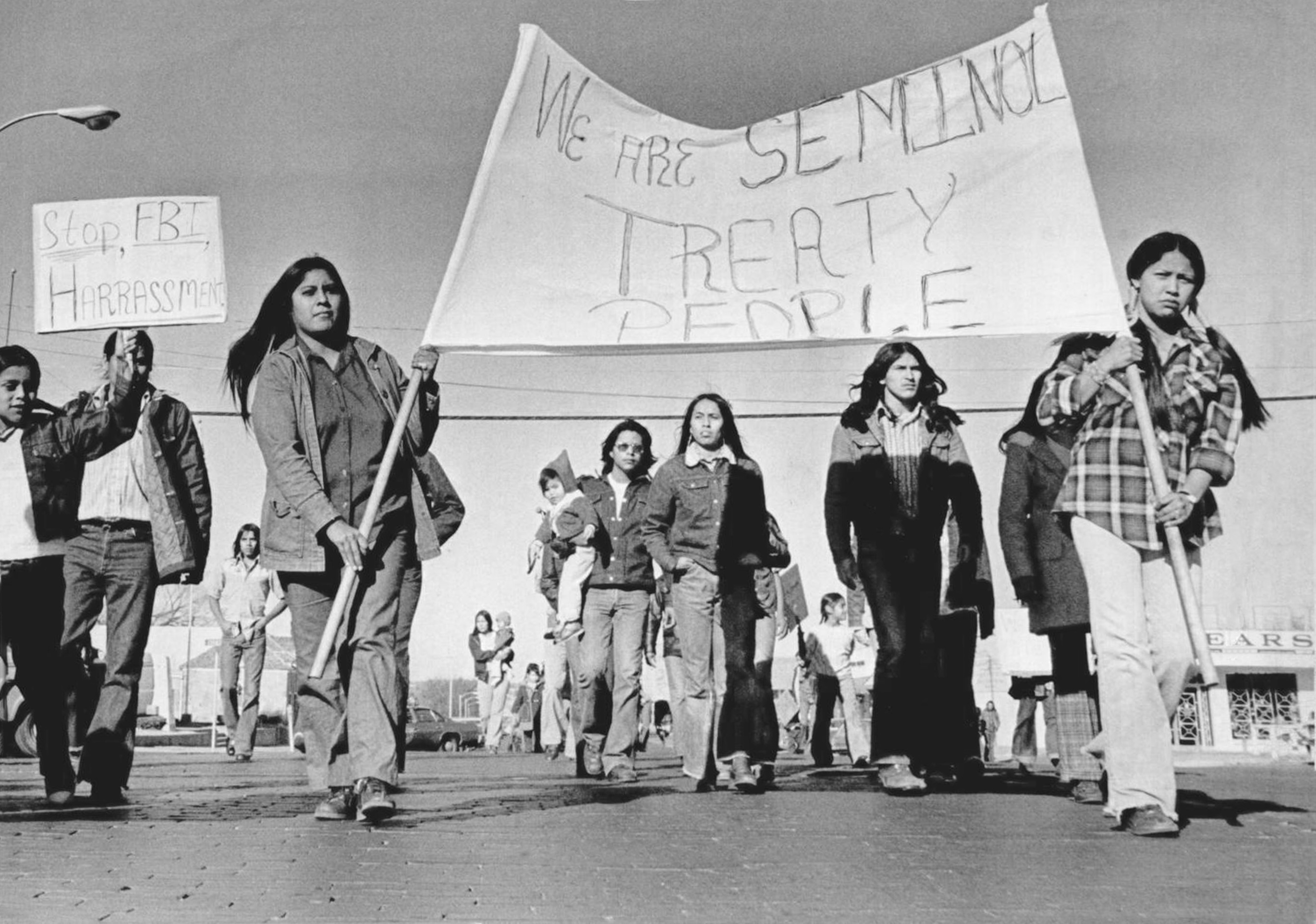
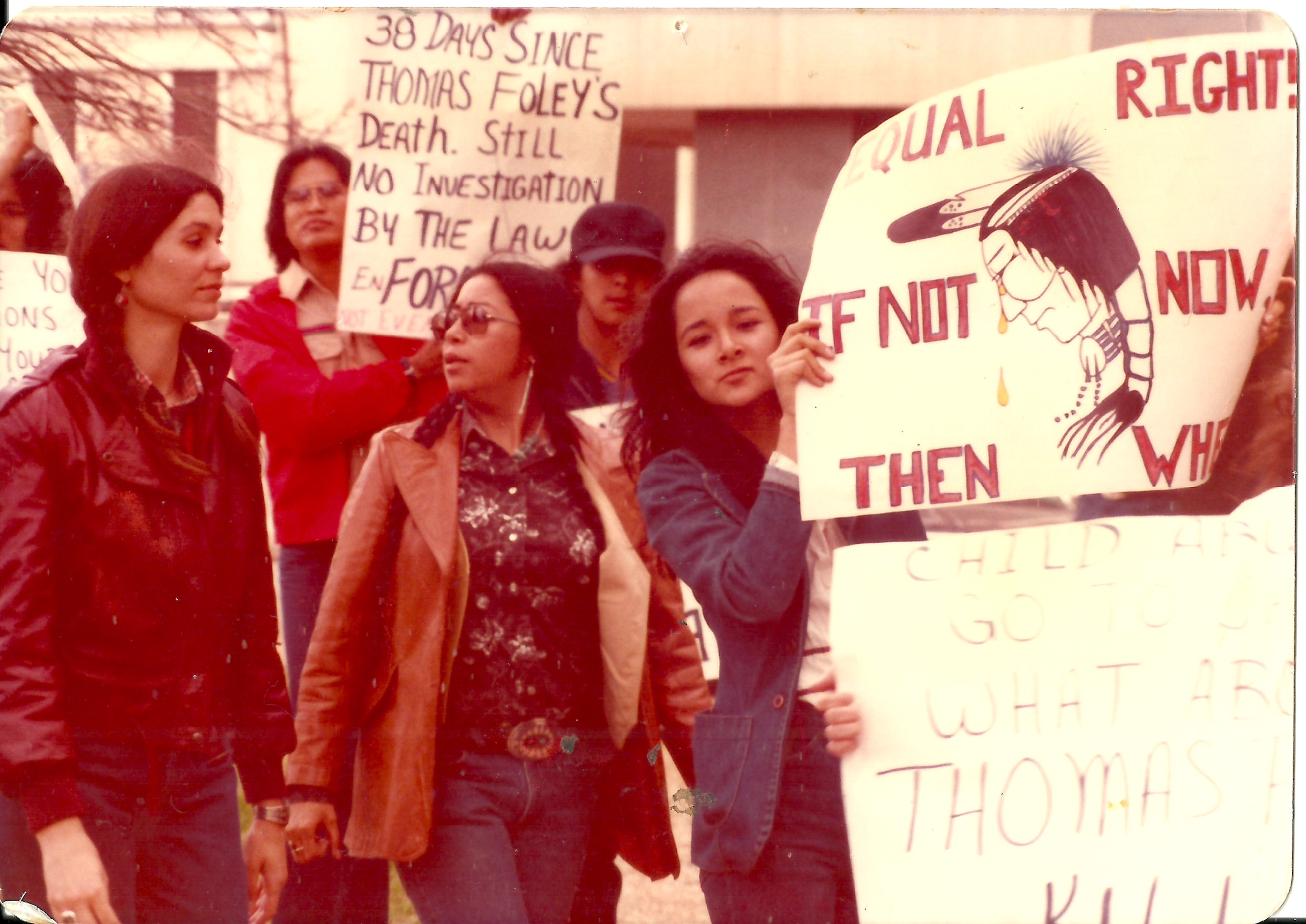
Native activism expanded on the earlier role for diplomatic delegation visits to Washington, DC. As early as the 1920s intertribal associations emerged to advocates for our human rights. First Americans played an important role in the rise of ethnic power movements during the Civil Rights era. The National Indian Youth Council was established by Clyde Warrior (Ponca) in 1961, launching the Red Power Movement.
Federal policies and programs had left tribal peoples without the economic resources they needed to care for their families. Activists brought national attention to human rights issues in Indian Country, from poverty and poor health conditions to violated treaty rights.
Many First American leaders who rose to national attention in those years were from Oklahoma, including the Camp Family (Ponca), Suzan Shown Harjo (Cheyenne/Muscogee), and LaDonna Harris (Comanche).
Today, First Americans continue to organize to fight injustices. Our collective voices now speak globally, often on behalf of Indigenous peoples around the world. We recognize the importance of perpetuating and promoting our tribal cultures. With the growth of markets and festivals that display Native creativity, more and more people have come to appreciate our cultures.
American Indian Religious Freedom Act
In 1886, First Americans’ religious practices were limited under federal policy. Our ceremonial practices were called “Indian Offenses,” and brutally policed for decades. In 1921, the US government outlawed the ceremonies altogether.
In 1978, Congress passed the American Indian Religious Freedom Act (AIRFA) to protect and preserve our rights to practice our religions. But customary sacraments were still outlawed, including peyote. Activists spoke out. In 1994, AIRFA was amended to protect the use of peyote as a sacrament in the Native American Church.
Warriors
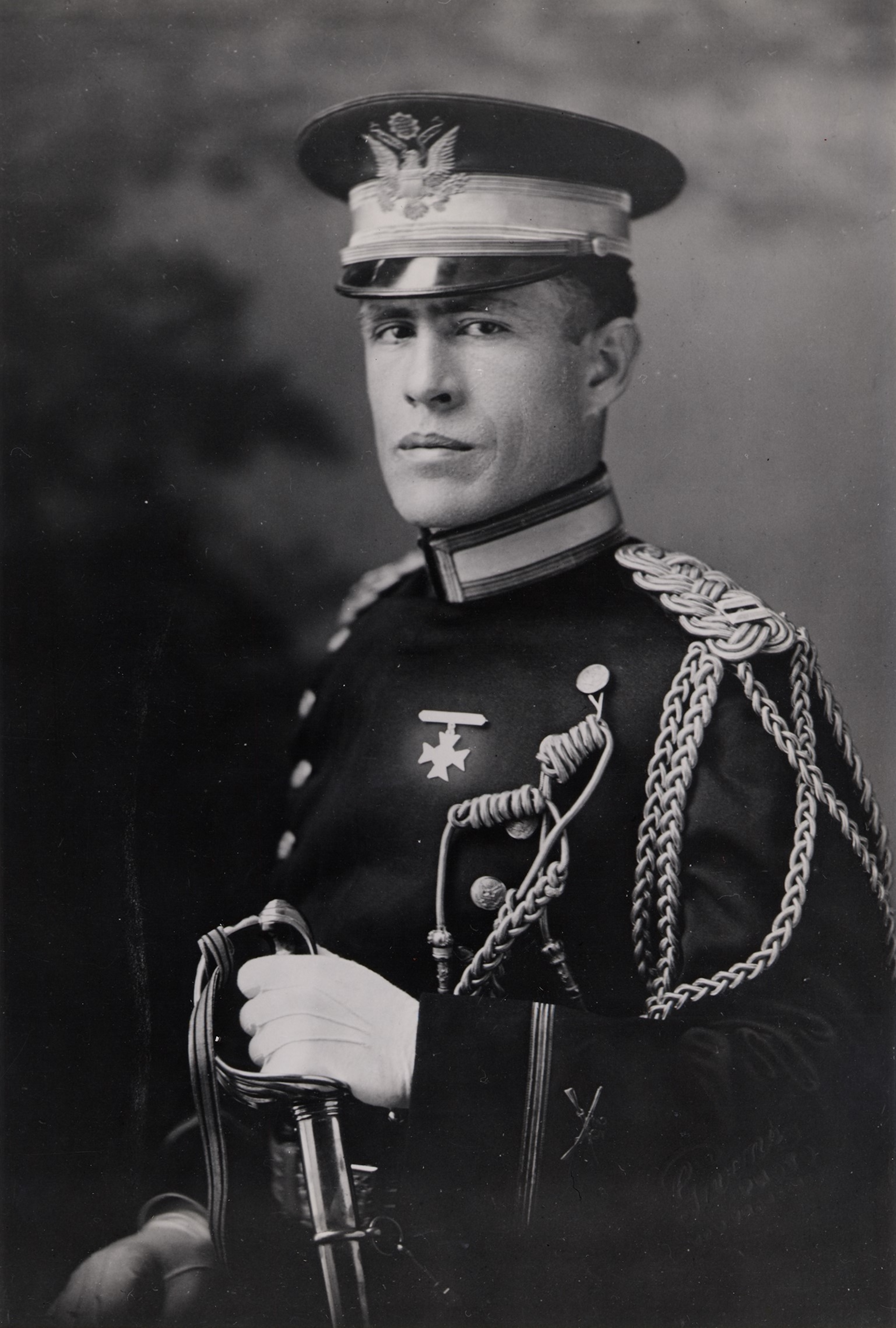
Historically, our First American warriors were essential to our survival. They courageously protected our families and communities. Their efforts preserved our cultural lifeways. Warriors were selfless in their sacrifices, overcoming extreme conditions, difficulties, and distances.
Mainstream American literature, art, and entertainment often misrepresent our First American warriors. They have portrayed them as brutal, mindless savages, particularly as Plains men wearing feathered warbonnets. These simplistic portrayals dehumanize and dishonor the commitment, training, and dignity of our warriors.
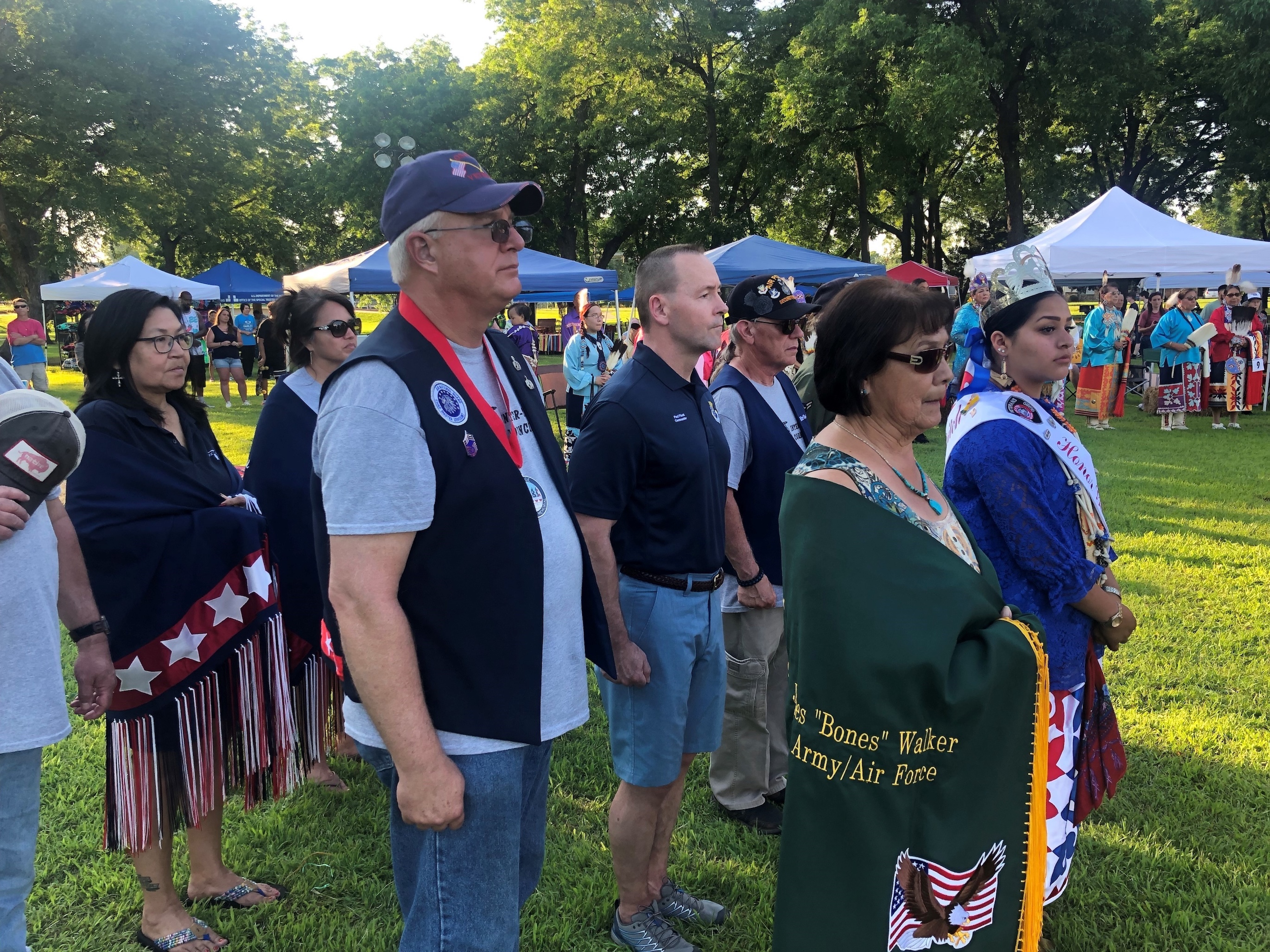
Today, our warriors continue to serve our communities in many roles and capacities. While people think of modern warriors as men in the military, women also serve. Our warriors are not just in the armed forces; they also protect our sovereignty, rights, languages, lands, and resources.
Essential Questions
✏️ Use this organizer to address the Essential Questions raised in this section.