Principal Chief Wilma Mankiller
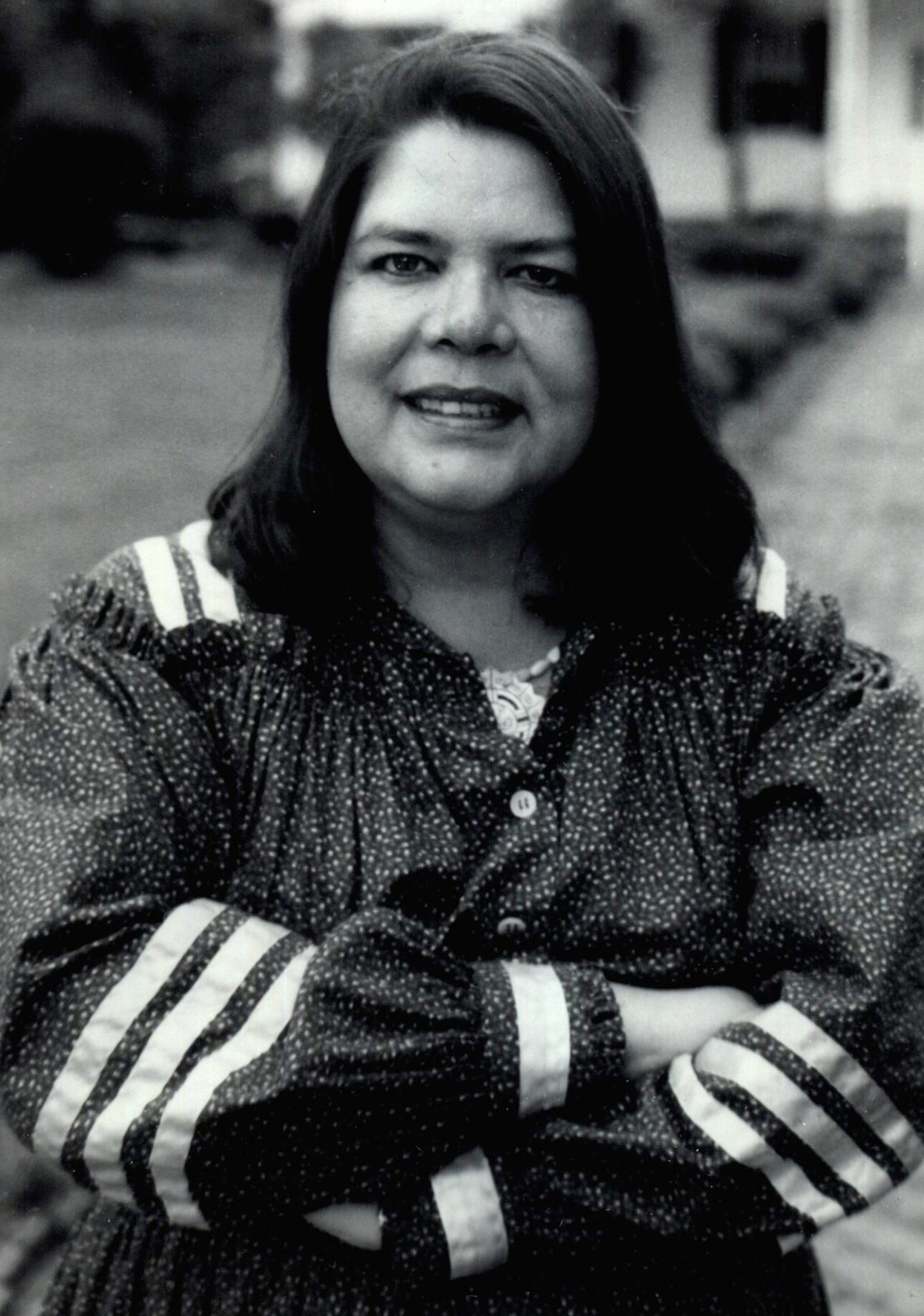
Notable Natives: Wilma Mankiller
The 1934 Indian Reorganization Act sought to reverse earlier federal assimilation policies. This “Indian New Deal” paved the way for Native women to reestablish leadership roles within tribal communities.
Women were placed in tribal leadership positions to serve their tribal communities as early as the 1970s. Wilma Mankiller was the first woman elected as Principal Chief of the Cherokee Nation, serving 1985 to 1995. Her leadership as a social worker and contributions towards the tribe’s economic development strategies earned her community’s recognition.
Wilma Mankiller was a strong political leader who helped improve her community by creating a department that built water systems, fixed homes, and opened health clinics.
During her leadership, the tribe’s income grew by about 200 percent, and she expanded early education programs and adult literacy efforts. In 1990, she signed an important agreement that gave the tribe more control over its own funding, strengthening tribal independence. She also spoke out across the country for Native American and women’s rights, was honored in the National Women’s Hall of Fame in 1993, and wrote a bestselling book about her life and work.
Our women leaders continue to strengthen our communities. Women in leadership roles provide balance and stability in our tribes.