Who Can Identify as First American?
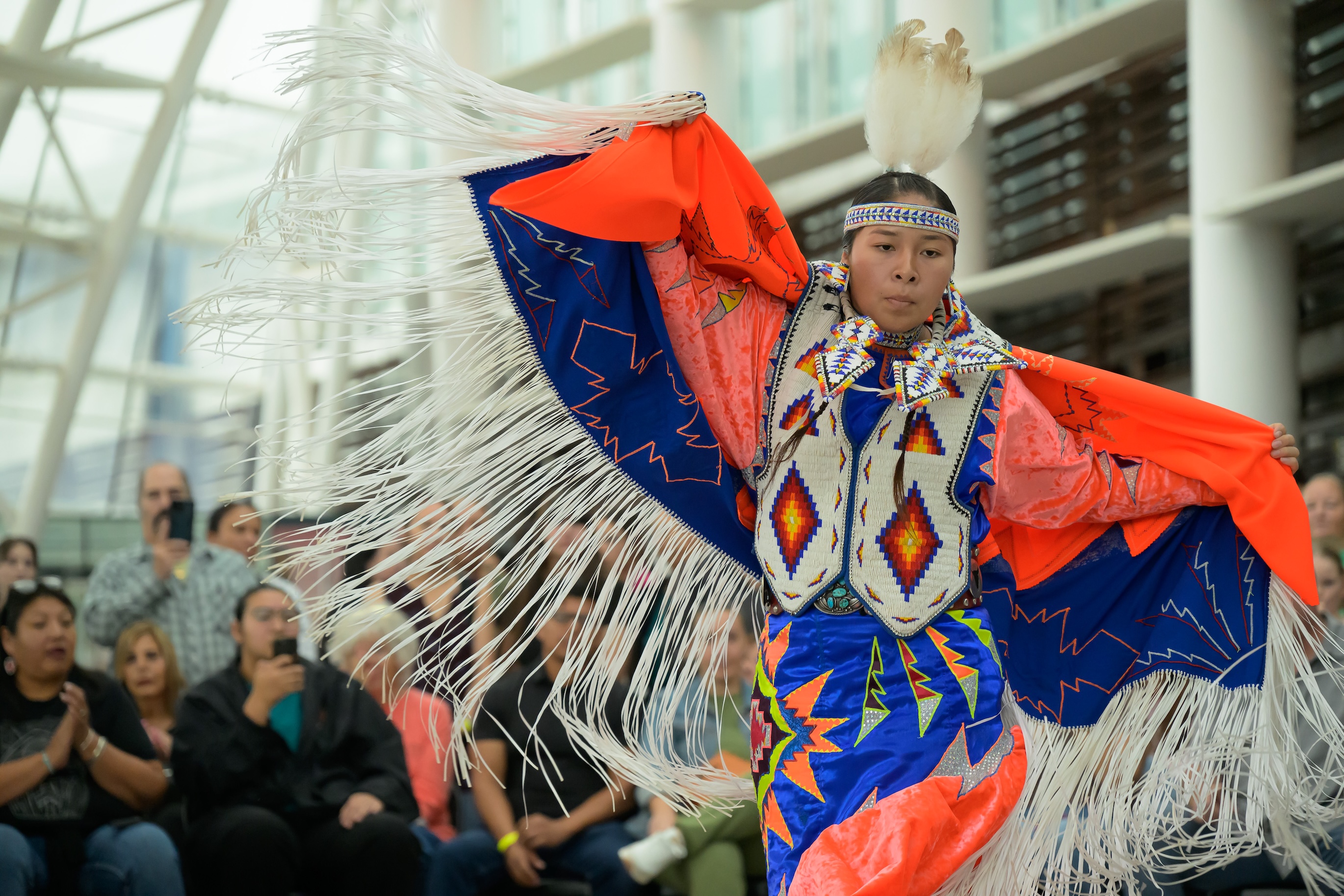
Tribal citizenship is at the core of First American identity. Our relationships to our ancestors connect us to our specific tribal communities. As descendants, we have inherited our political identities as well as our cultural identities.
But if one does not have a tribal citizenship, can one claim to be First American? Here are four case studies that explore whether or not a person is a First American.
Tap or hover your mouse over each case study to learn more.
Is Thomas a First American?
Yes. Thomas can see his family’s birth documents to authenticate his descendancy from an original enrollee through his grandfather. Thomas can be a Chickasaw citizen. Though he may not know much about his heritage, his political right to citizenship is not affected by his having grown up away from the tribal community.
Is Destiny a First American?
Without further evidence, no. Tribal identification cannot be confirmed by DNA tests (which have a 3 percent error rate). Destiny can research Cherokee Nation records, which date to the early 19th century, for any trace of family lineage. She should not claim to be Cherokee. We hope that Destiny will become an ally.
Is John a First American?
No. John is an ally, and a first-rate one at that. But without a direct blood descendancy, John is not a First American.
Is Isabella a First American?
Yes, Isabella can trace her tribal identity to each of her parents’ tribes. However, she is eligible to be counted as a citizen of only one tribe. When Isabella turns 18, she can choose a single tribe in which to enroll as a citizen.