Ancient Roots | Origins–1830
We Were Always Here
In Ancient Roots, you will learn about the deep and rich history of First Nations in North America. Before the surge of European contact in the 1500s, as many as 18 million people—the First Americans—lived across this land, from the Pacific to the Atlantic and the Great Lakes to the Gulf Coast.
We held deep ties to these ancestral homelands. First Americans formed separate, distinct communities that were extensions of the natural world. Our diverse environments informed our spiritual and political structures.
Many First Americans formed alliances for protection, resource sharing, and diplomacy. We built expansive cities. We travelled great distances and traded extensively with each other.
Our people pursued a balanced way of life. This balance was disrupted by European colonization. Encroachment, disease, and war devastated our communities.
By 1800, our population was reduced by 95 percent, to less than a million people.
What does it mean to be sovereign?
Sovereignty is the power to self-govern a political body freely without outside control. Our Native communities exercise sovereignty as a divine right.
Each tribe’s governing practices address the community’s needs. Communities have structures to provide social care, economic stability, education, health care, and military strength. In our communities, the strong care for the elderly and those in need.
Clans and societies organized our people within each tribal nation. The units created a network of care and guidance beyond the nuclear family. They give rise to deep, abiding responsibilities among community members.

Closer Look: Who are the First Americans?
Indian. American Indian. Native American. First Americans. These terms are used interchangeably, but where did they come from? What do they mean?
Many Nations
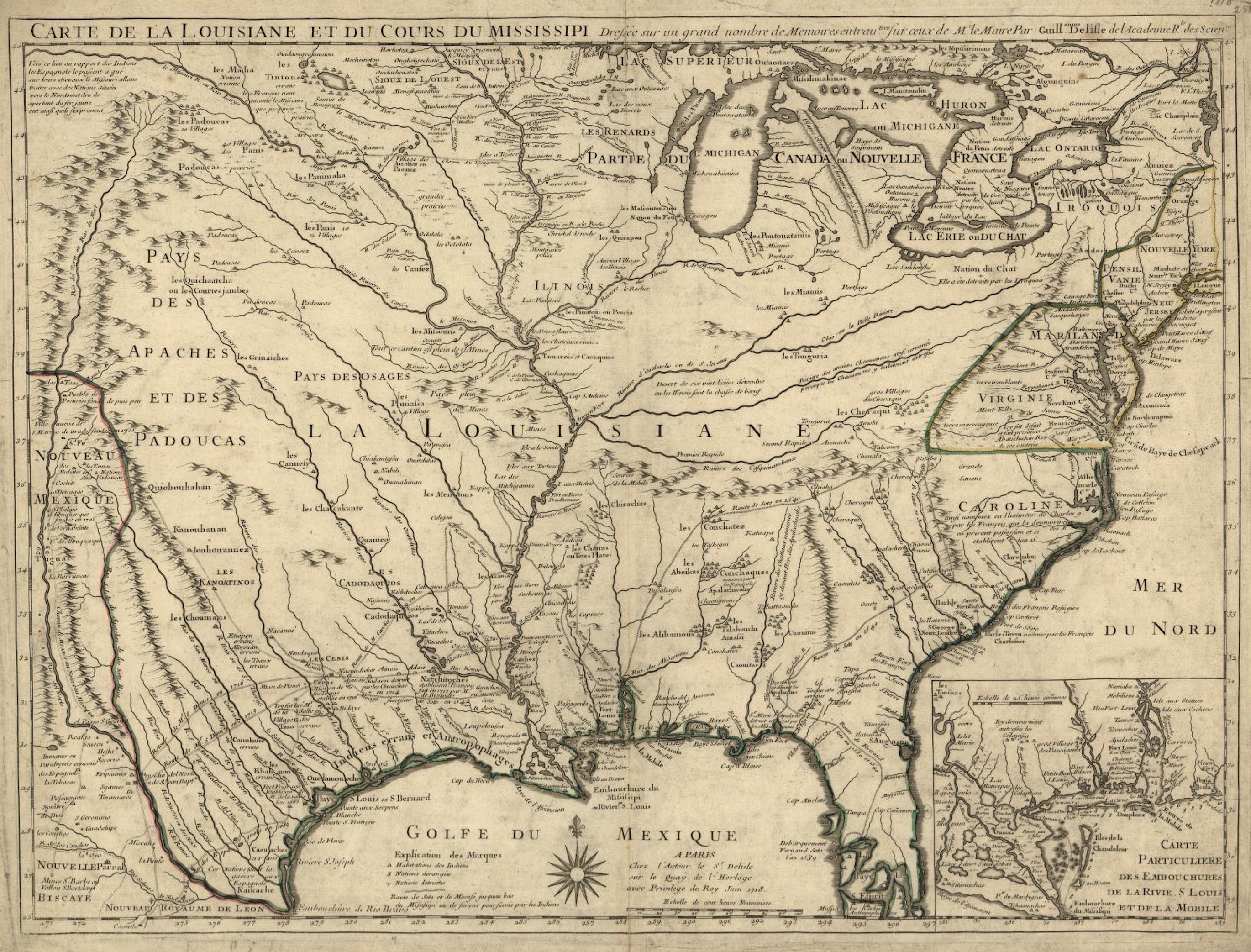
Many people mistakenly assume that North America was sparsely populated at the time of European arrival. Instead, powerful First American nations were spread across the continent, each with distinct cultures, languages, and relationships to the land.
This early map of North America shows the original homelands of many of the tribal nations in Oklahoma today.
✏️ Click here to view a high-resolution image of this primary resource and to complete an organizer.
How does natural democracy reflect tribal values?
Balance in Our Communities
Our communities understood that all things are connected in a web of life. People, animals, plants, elements of earth and sky, fire and water, and objects are interwoven.
All things exist in relationship to each other. These relationships extend into the universe, including the physical and metaphysical worlds. These lessons came to us from our observations of the natural world. Balance was achieved through mutual respect and reciprocity. Those who prospered had the privilege of caring for those who were less fortunate.
All things work together in a network we call “Natural Democracy.”
Living in harmony with the natural world begins by observing it. Animal behaviors, plant life, weather patterns, celestial cycles, and seasonal changes informed our ways of life. This knowledge enabled us to hunt, gather foods and medicines, and cultivate crops in even the harshest environments. Understanding the natural world allowed us to survive and flourish.
This traditional knowledge, refined over centuries, was passed from generation to generation. Elders taught youth through storytelling and customary practices. Creation stories hold lessons in physics, meteorology, language, political strategy, and humanities.
Our stories, languages, songs, dances, and design motifs still hold meaning and educate us.
Roots of American Democracy
The Haudenosaunee story of the Peacemaker explains the origin of the Iroquois Confederacy and the Great Law of Peace. The Peacemaker emphasized the power of reason in achieving three principles of the Great Law: righteousness, justice, and health.
When Benjamin Franklin and others would later write the US Constitution, they borrowed the Haudenosaunee system of democracy. Their separation of powers creates checks and balances on government.
...Whereas the original framers of the Constitution, including, most notably, George Washington and Benjamin Franklin, are known to have greatly admired the concepts of the Six Nations of the Iroquois Confederacy;
Whereas the confederation of the original Thirteen Colonies into one republic was influenced by the political system developed by the Iroquois Confederacy as were many of the democratic principles which were incorporated into the Constitution itself...
...The Congress, on the occasion of the two hundredth anniversary of the signing of the United States Constitution, acknowledges the contribution made by the Iroquois Confederacy and other Indian Nations to the formation and development of the United States; (2) the Congress also hereby reaffirms the constitutionally recognized government-to-government relationship with Indian tribes which has been the cornerstone of this Nation's official Indian policy...
– US House Congressional Resolution 331 (Oct. 21, 1988)
How did colonialism impact First American and European powers?
What First Americans Gave
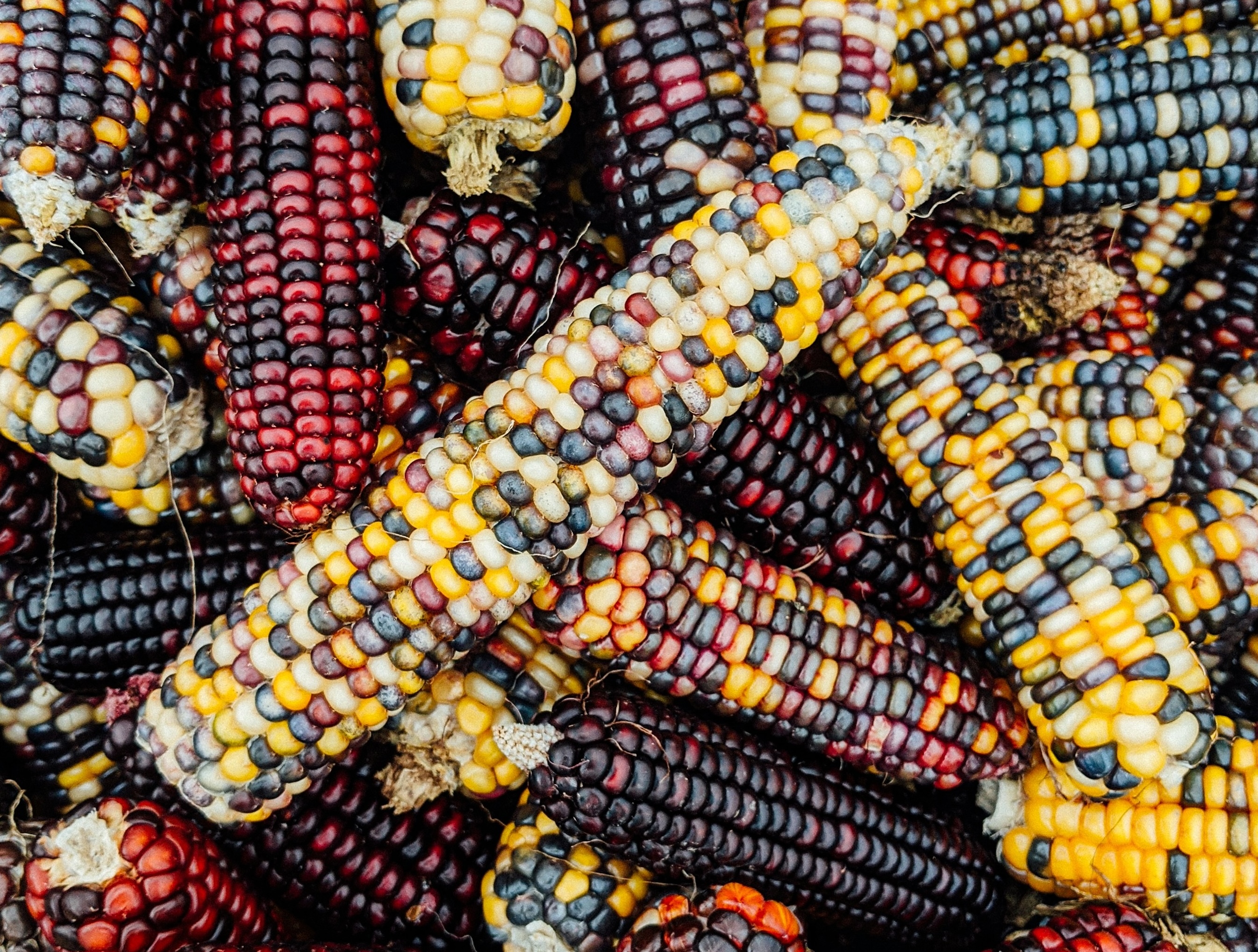
First Americans' agriculture produced world-changing crops. Tobacco, rubber, and cotton became high-value exports. We cultivated corn, potatoes, chocolate, peanuts, tomatoes, pumpkins, and more. Today, 60% of the world’s food supply comes from these crops.
First Encounters
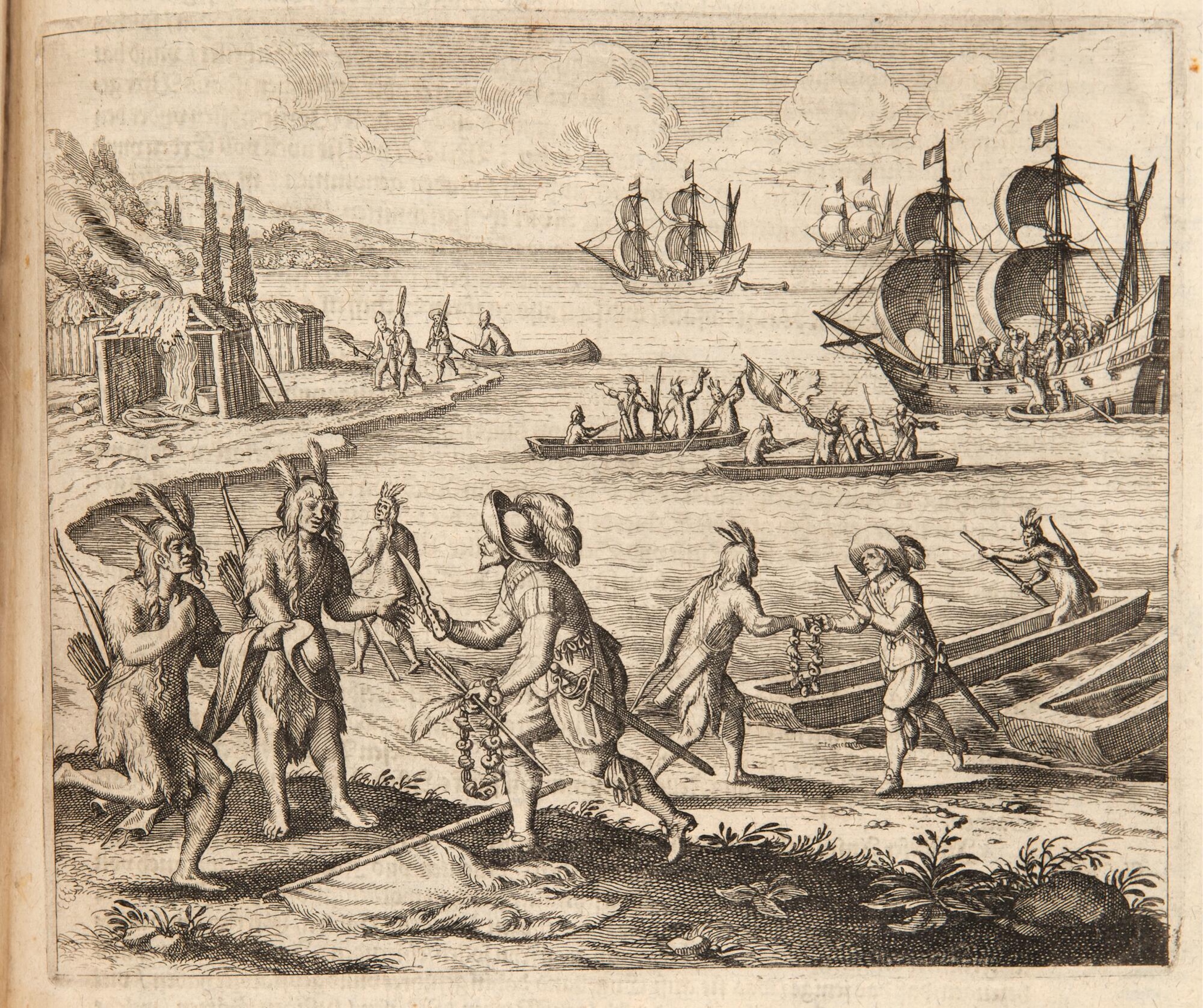
Early interactions between First Americans and Europeans varied widely. In some cases, both parties were diplomatic, and they developed trade alliances. In other instances, open hostility led to violence and enslavement. We learned to depend on European goods, especially metal products like kettles and knives. Guns and the introduction of the horse radically changed our traditional lifeways.
While some trade items were beneficial, Europeans brought alcohol and devastating diseases. They also brought a foreign concept of land ownership. The consequences of these new encounters were catastrophic for our people.
Europeans came here seeking new and abundant resources. As foreign traders, they exploited our existing expansive trade network and intertribal rivalries. Both Natives and Europeans became deeply intertwined through trade. This became a major catalyst for alliances—and conflicts.
Fighting over trade transformed cultures and reshaped nations in both hemispheres. Ultimately, it paved the way for the later establishment of the United States of America. Diseases brought by Europeans were devastating to First Americans. Our people were defenseless against smallpox, typhus, measles, influenza, bubonic plague, cholera, mumps, tuberculosis, and more.
The first epidemic to sweep across the continent was smallpox in 1519. It traveled quickly through trade routes, starting in Florida and reaching the west coast of Canada the same winter. Smallpox was followed by deadly pandemics, killing up to 90% of the population. Many tribal communities were erased before they even had direct contact with Europeans.
In the 1500s and 1600s, First Americans found themselves in the crossfire of European wars. France, Spain, England, and the Dutch Republic were struggling to expand their empires. They established colonies, trade alliances, and Christian missions here.
Adaptation and Exchange
First Americans had an elaborate trade and information network extending across the continent, long before Europeans landed in the Americas. Exchanging goods and knowledge gave us a way to establish strong cultural exchanges, fostering military and economic alliances.
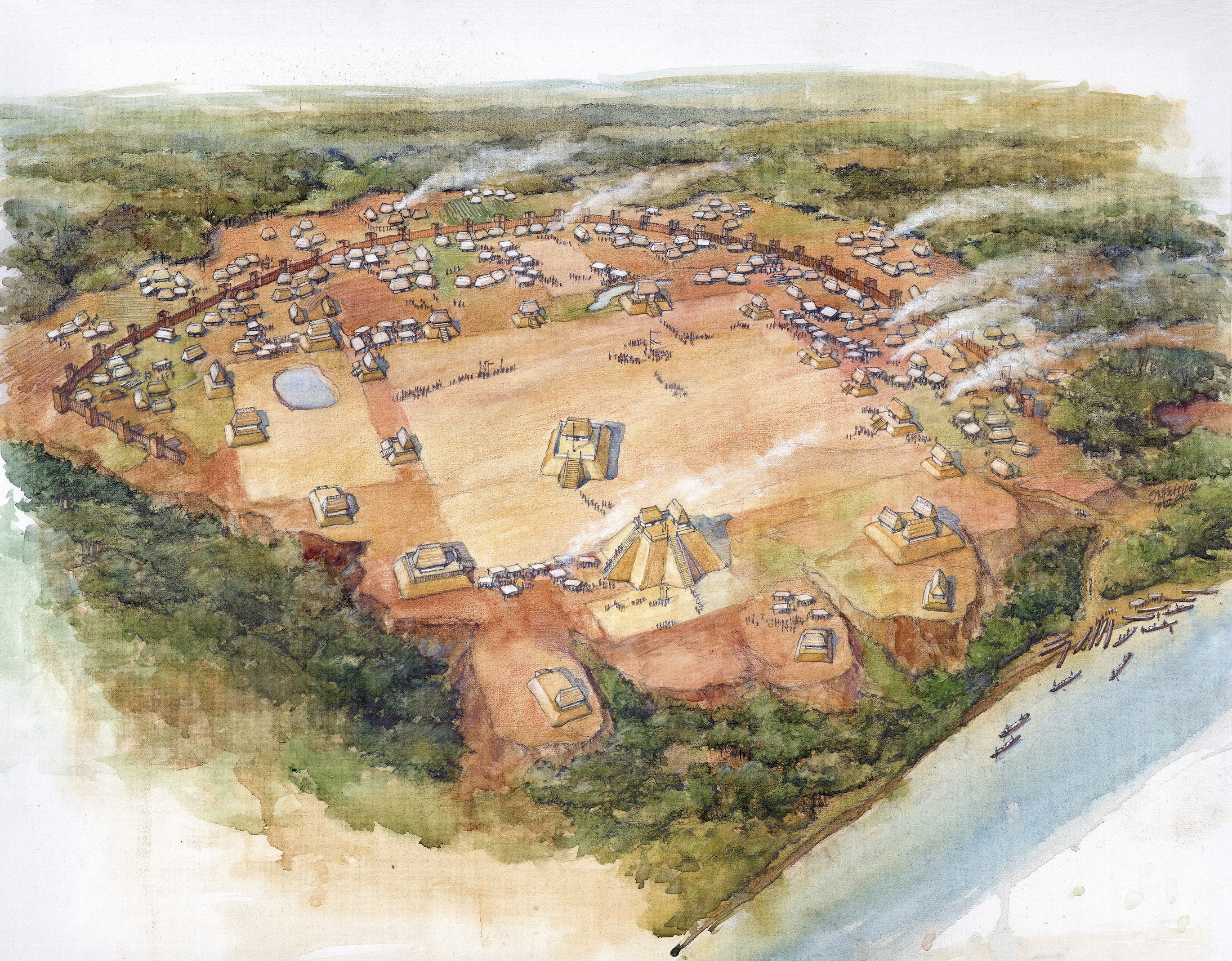
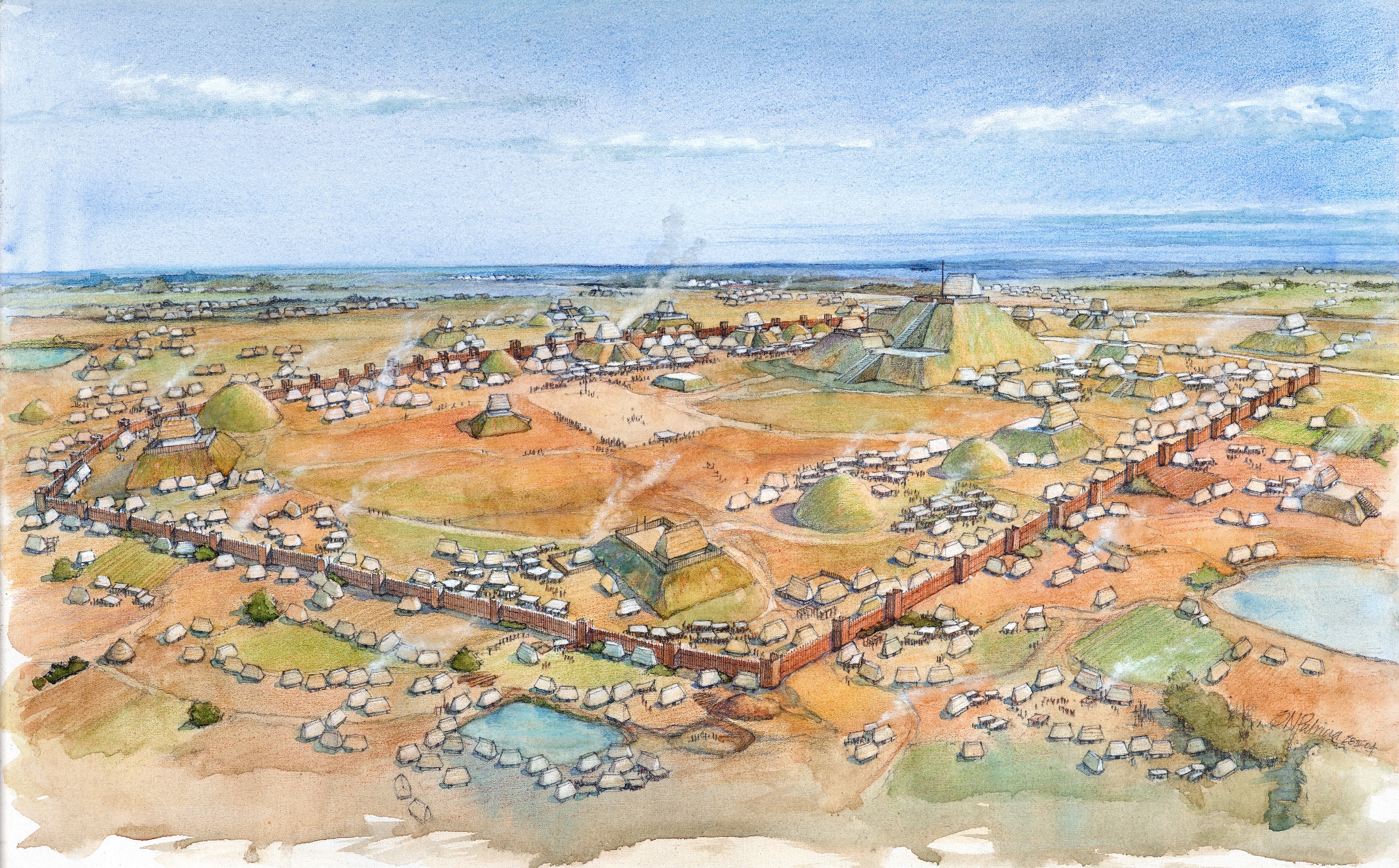
Rivers served as major arteries for trade systems. Cahokia was the largest major trade center along the Mississippi River, near present-day St. Louis. During its peak (950-1350), Cahokia bustled with as many as 20,000 people and was larger than London at the same time. There were other major trade centers across the continent linked to Cahokia, creating a continental network of materials and information.
Years later, Europeans would bring opportunities to trade new, exotic materials on both sides of the Atlantic.
Early interactions between First Americans and Europeans varied widely. In some cases, both parties were diplomatic, and they developed trade alliances. In other instances, open hostility led to violence and enslavement.
We learned to depend on European goods, especially metal products like kettles and knives. Guns and the introduction of the horse radically changed our traditional lifeways. At the same time, Europeans desired materials from the Americas. Beaver pelts, potatoes, chocolate, and sugar flooded global markets.
Traditional Roles of Women in Leadership
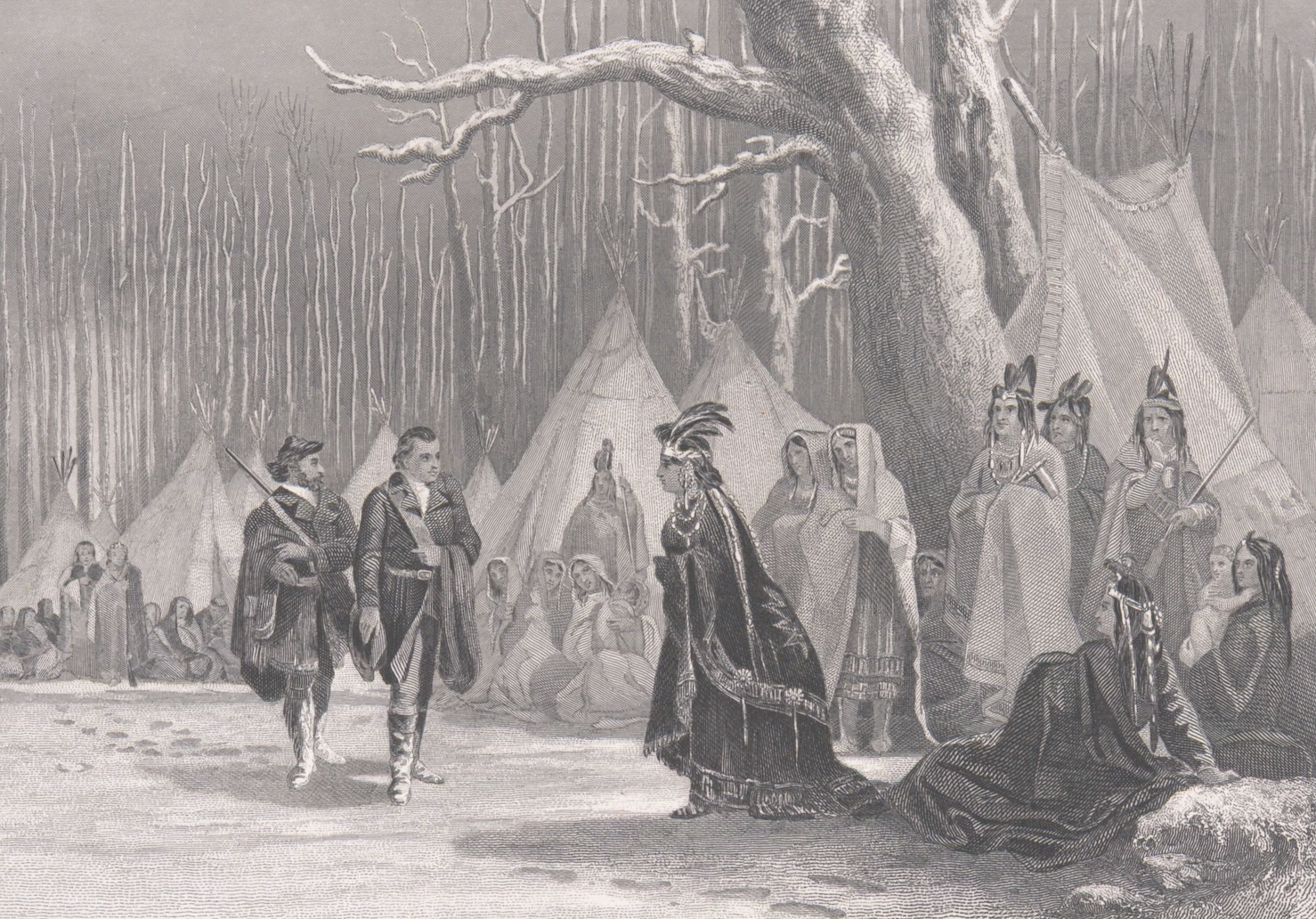
Our women have a long history as leaders in our cultures. Their roles were supported by mutual respect. In Southeastern and Iroquoian communities, the women’s council was equal in power to the men’s council. The women’s council made decisions upon which the whole community relied, from property ownership and work assignments to agricultural responsibilities. Positions such as Clan Mother or Beloved Woman carried the deciding votes for going to war.
After European contact, foreign governments often refused to acknowledge our women leaders. This disrespect disrupted our traditional governing structures, creating a gender power imbalance.
Notable Natives: Prophet Movement
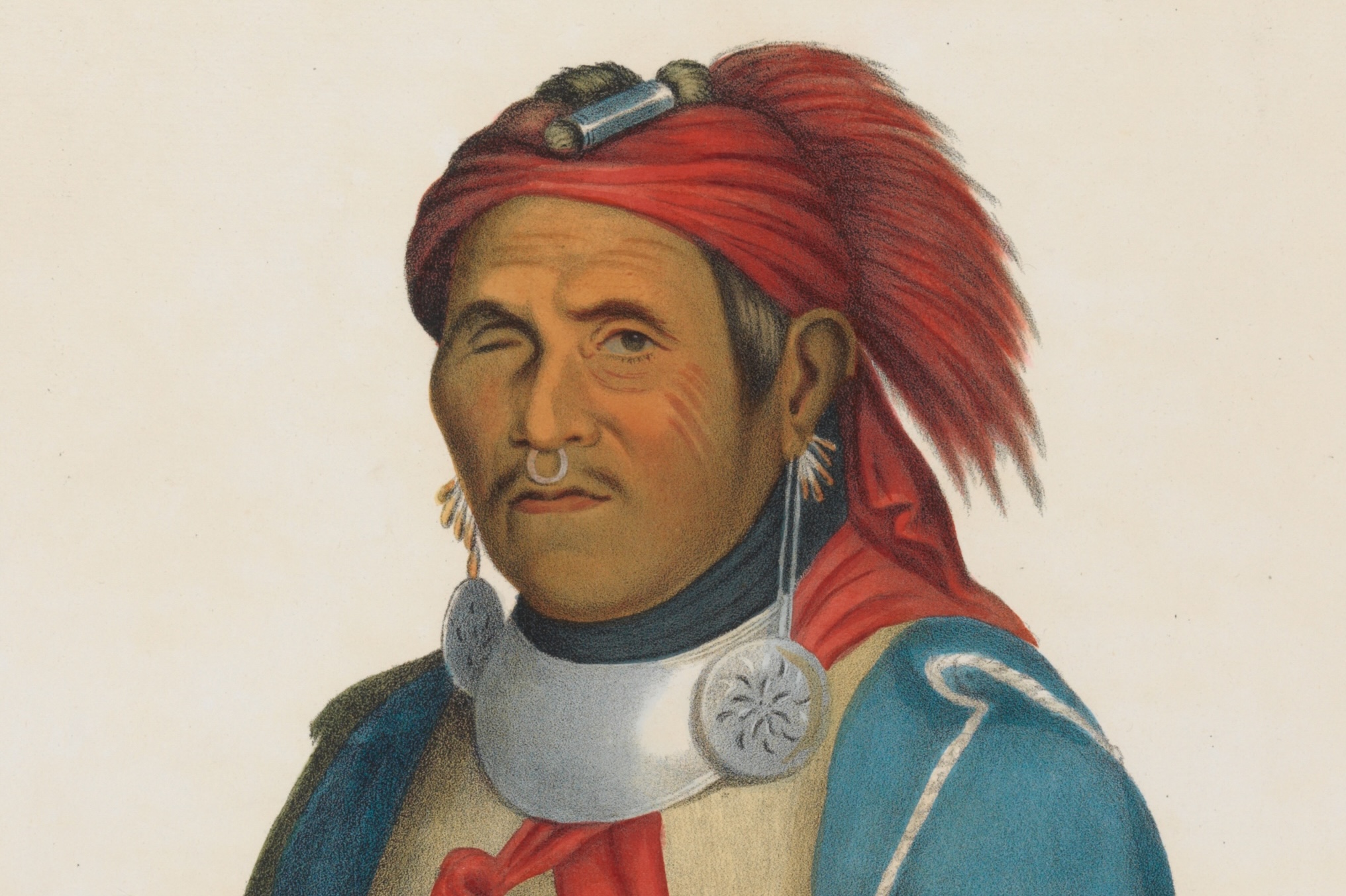
Explore stories of the Prophet Movement and First American resistance.
Ancient Roots Essential Questions
✏️ Use this organizer to address the Essential Questions raised in this section.