Prophet Movement
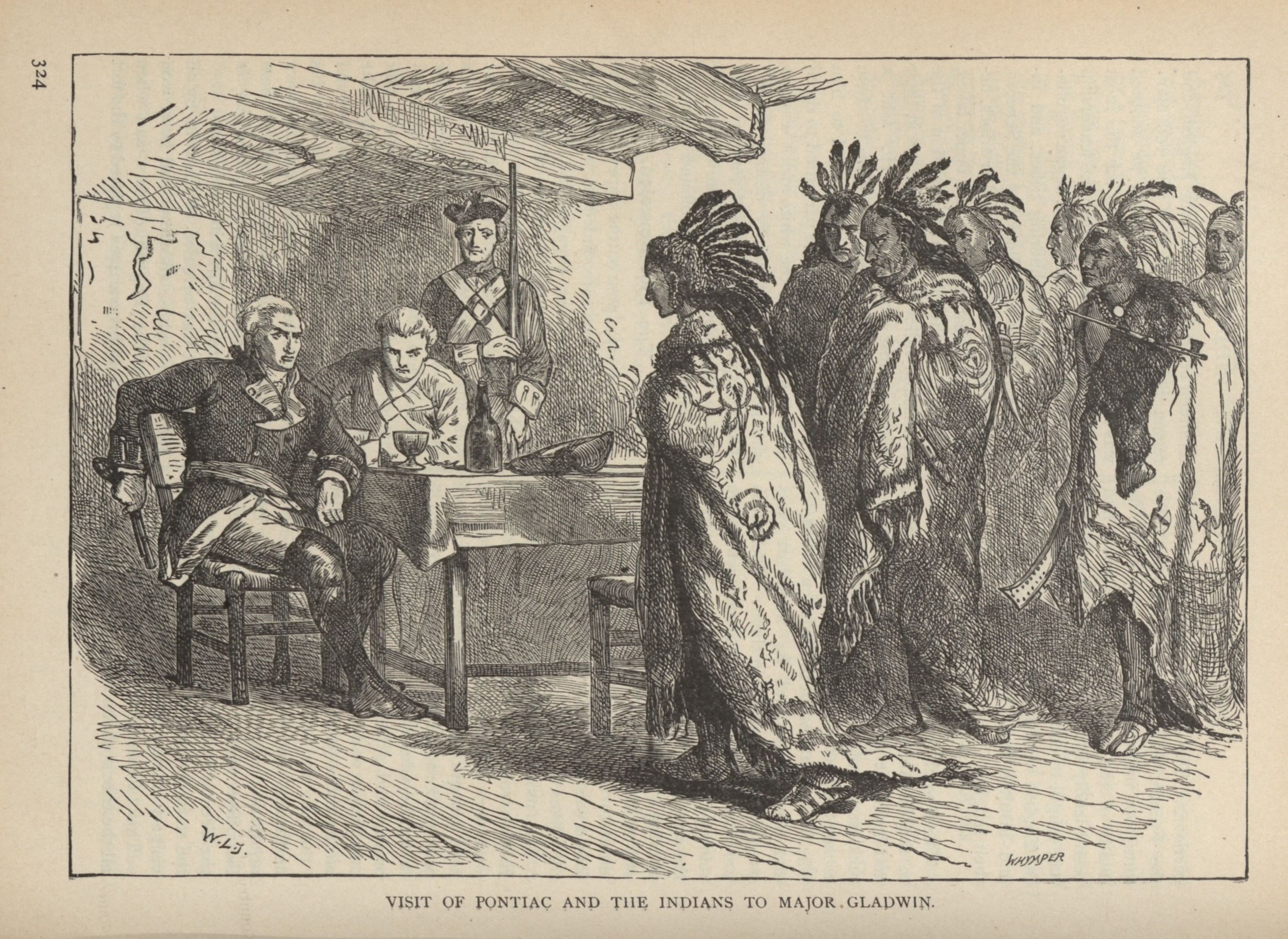
These lakes, these woods and mountains, were left to us by our ancestors. They are our inheritance; and we will part with them to none.
– Pontiac (Ottawa), War Chief, 1763
Notable Natives: Pontiac, Tenskwatawa, and Tecumseh
Native nations were firmly entangled in a world in which overhunting and trapping had emptied the land. First Americans no longer had the resources to sustain their traditional lifeways. More and more, they relied on European trade goods. Foreign powers realized they could use this dependency as a tool to manipulate Native nations out of their lands.
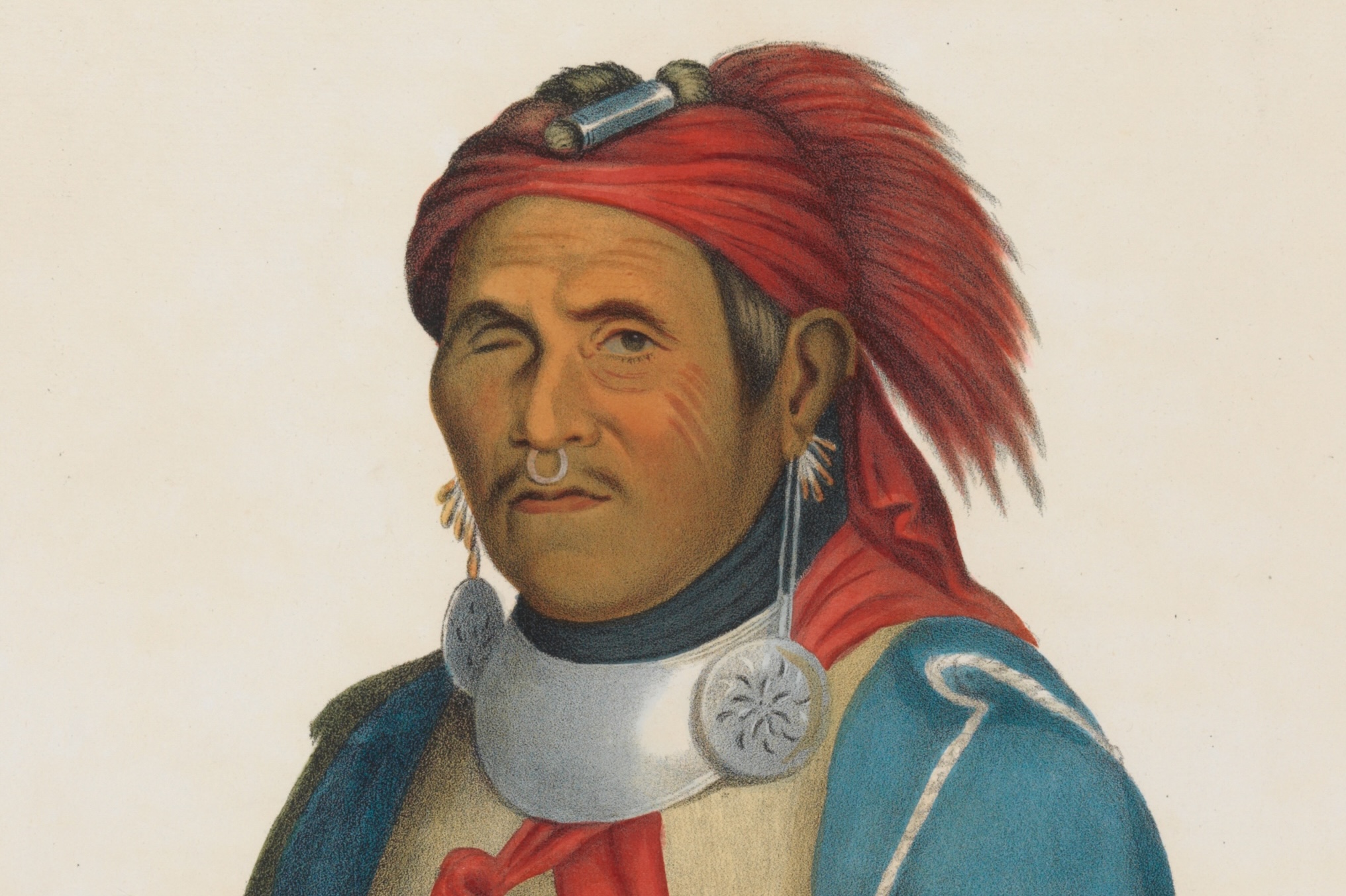
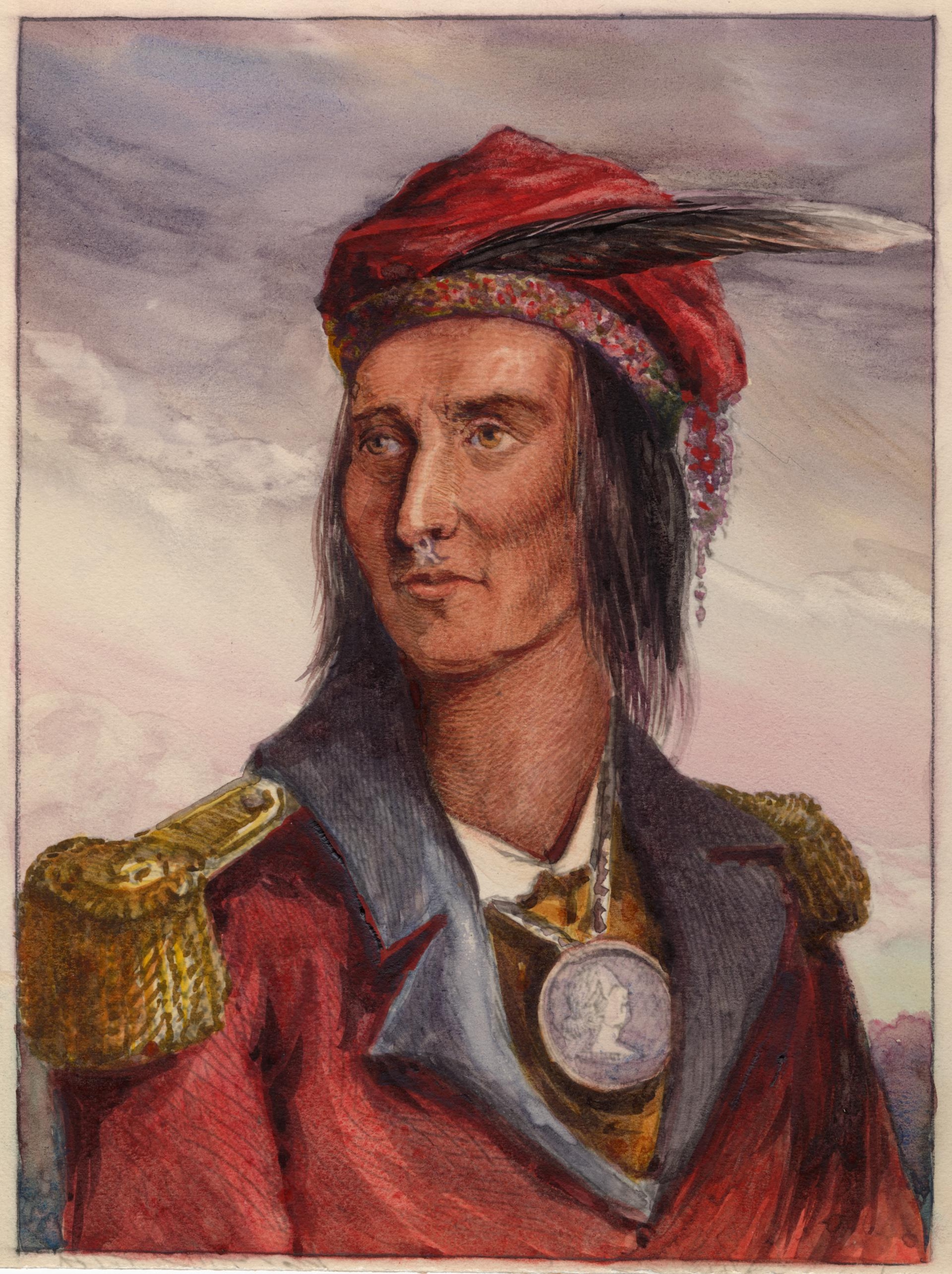
Tribes recognized their vulnerability. In the 1700s and early 1800s, they began to resist this coercion. The Delaware prophet Neolin, the Ottawa leader Pontiac, the Shawnee prophet Tenskwatawa, and his brother Tecumseh led the Native resistance.
In 1763, the Ottawa war chief Pontiac—a follower of Neolin—organized warriors from 16 tribes in the Great Lakes, Illinois, and Ohio regions to drive away British soldiers and settlers. Pontiac’s War was the first multi-tribe resistance to European colonization.
In the early 1800s, the Shawnee prophet Tenskwatawa led a religious revival to unite all the tribal nations in the Ohio Valley region. His brother, Tecumseh, transformed this revival into a vision for a unified Native resistance against the settlers’ expansion.
Tecumseh traveled widely and, with passionate conviction, recruited warriors for a massive confederacy. This represented the strongest single movement of Native people against the United States at that time.
By 1811, more than 24 Indian nations united to fight US expansion alongside British allies. The struggle ignited the War of 1812.